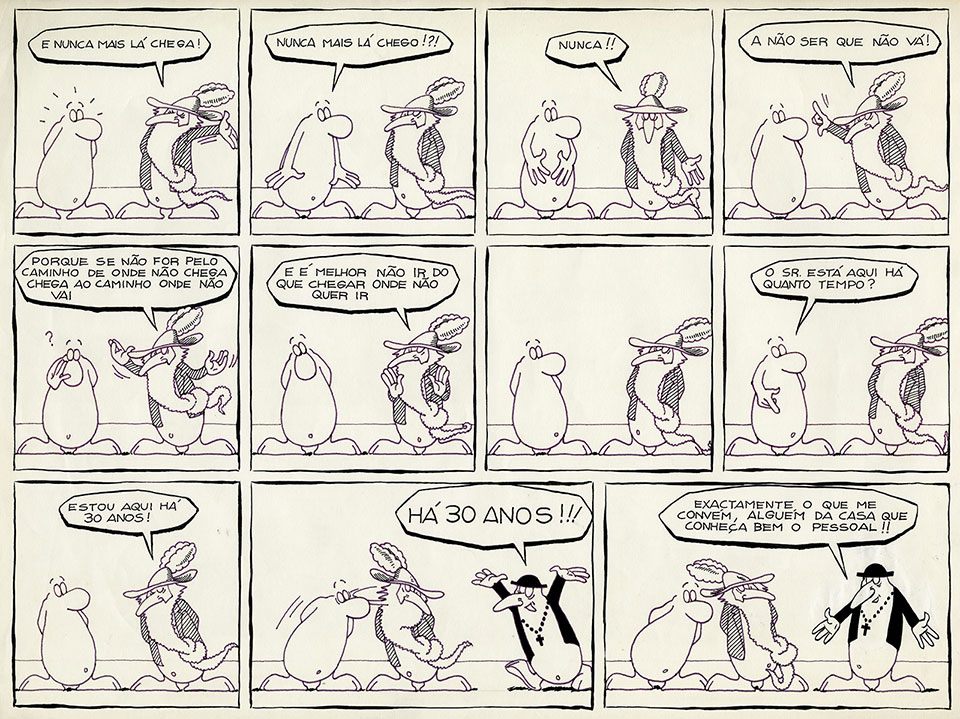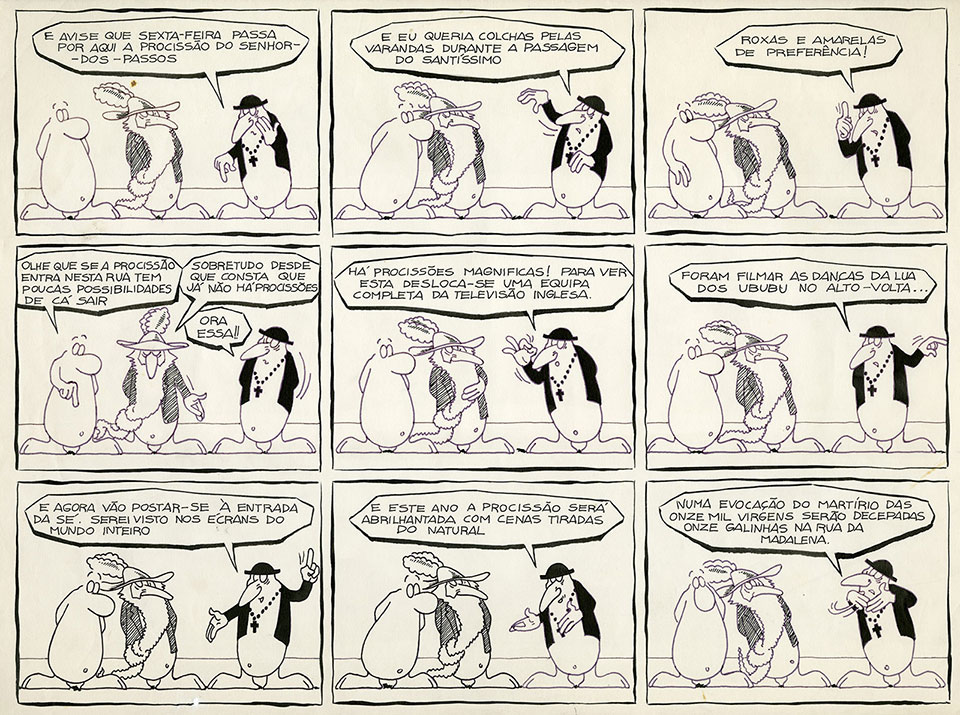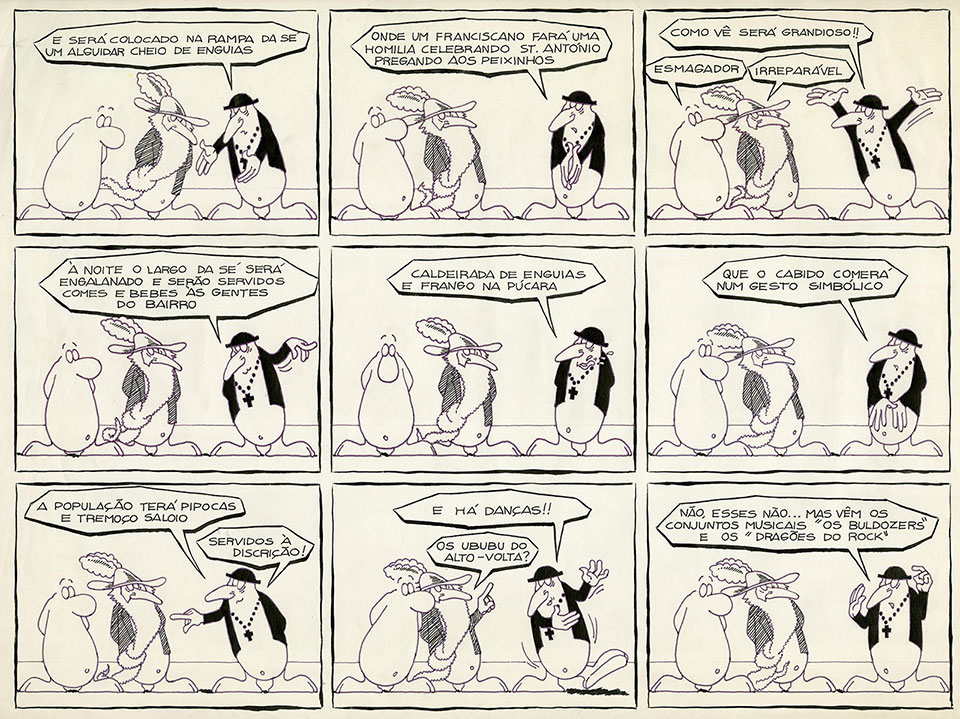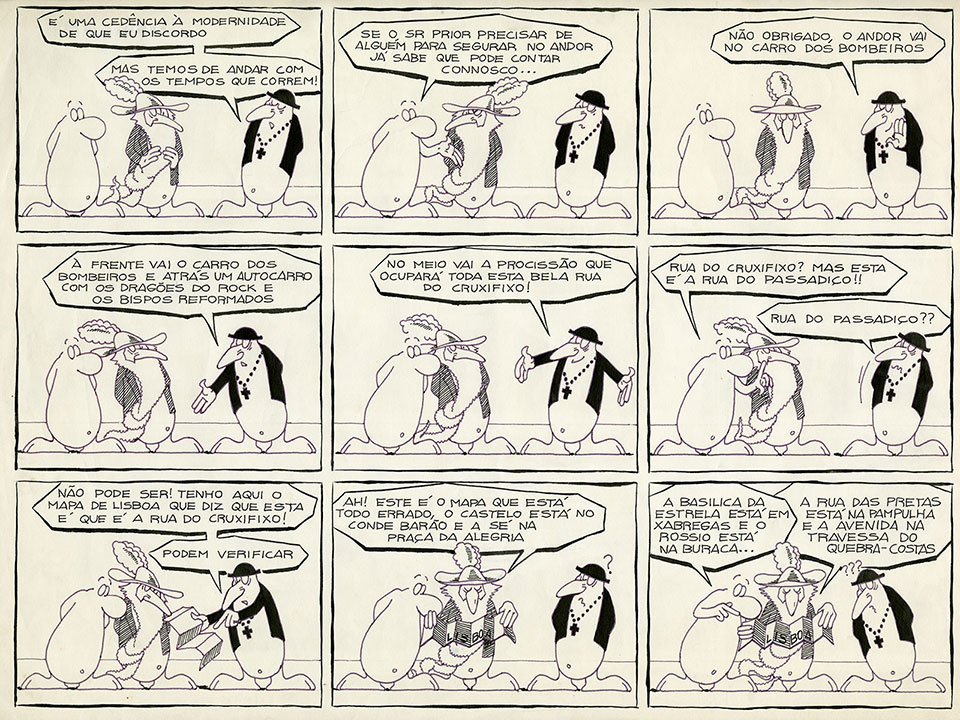
Between Lisbon and Paris
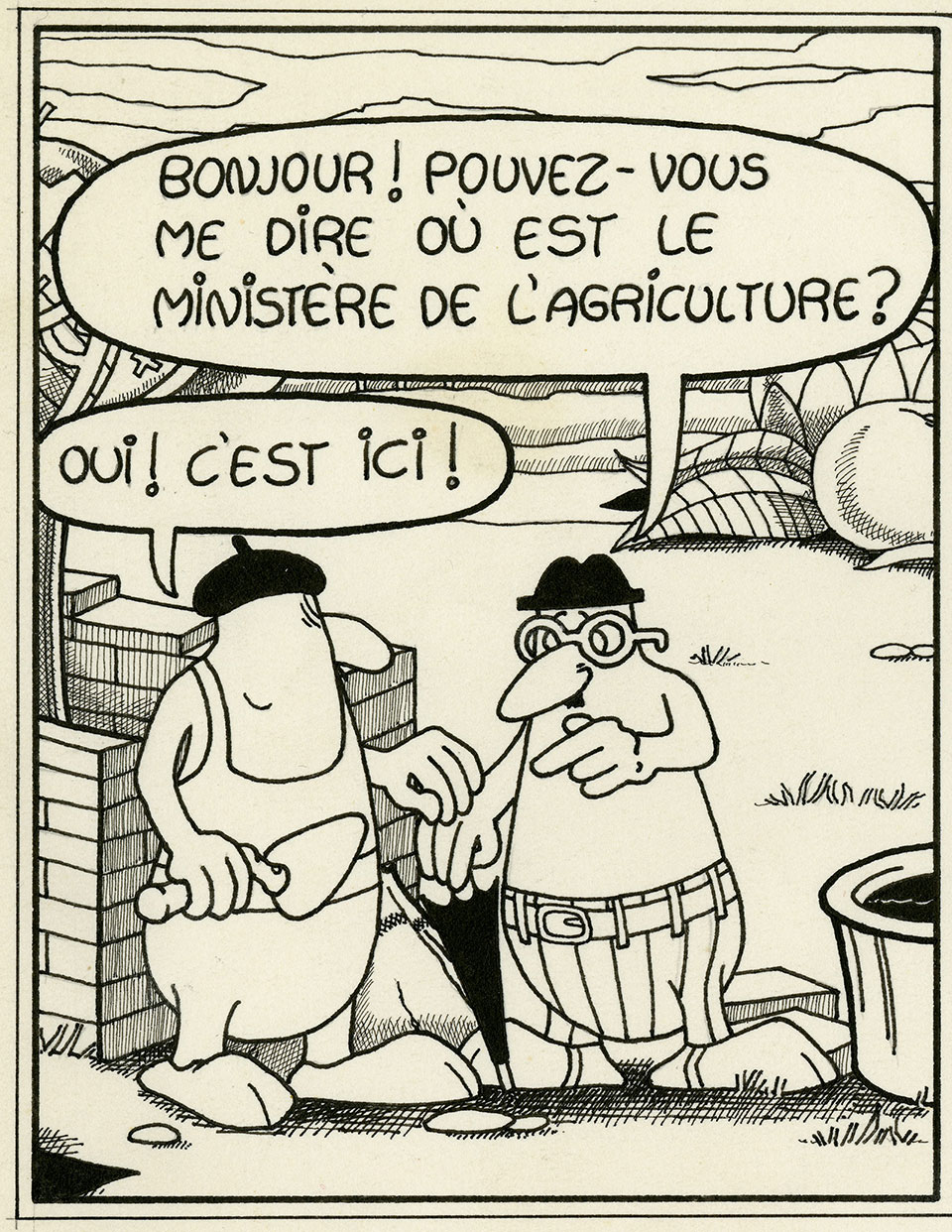
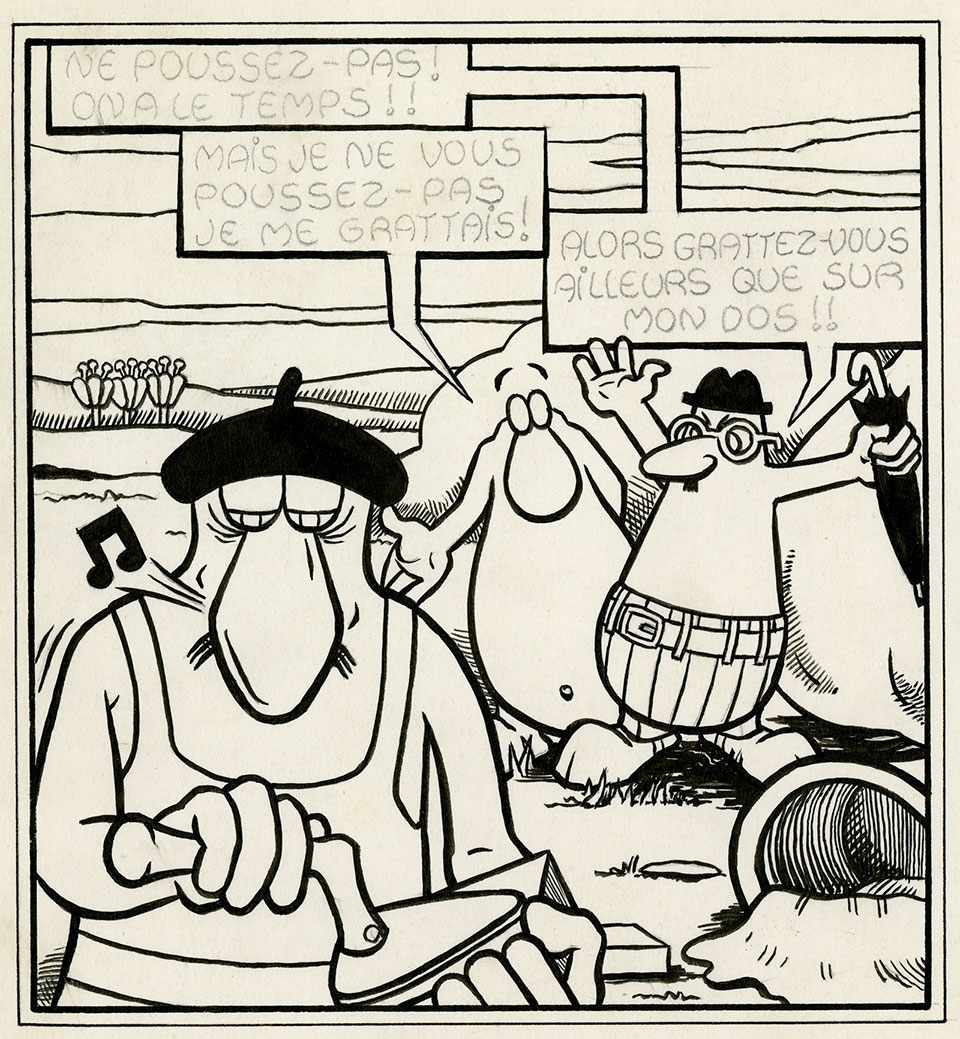
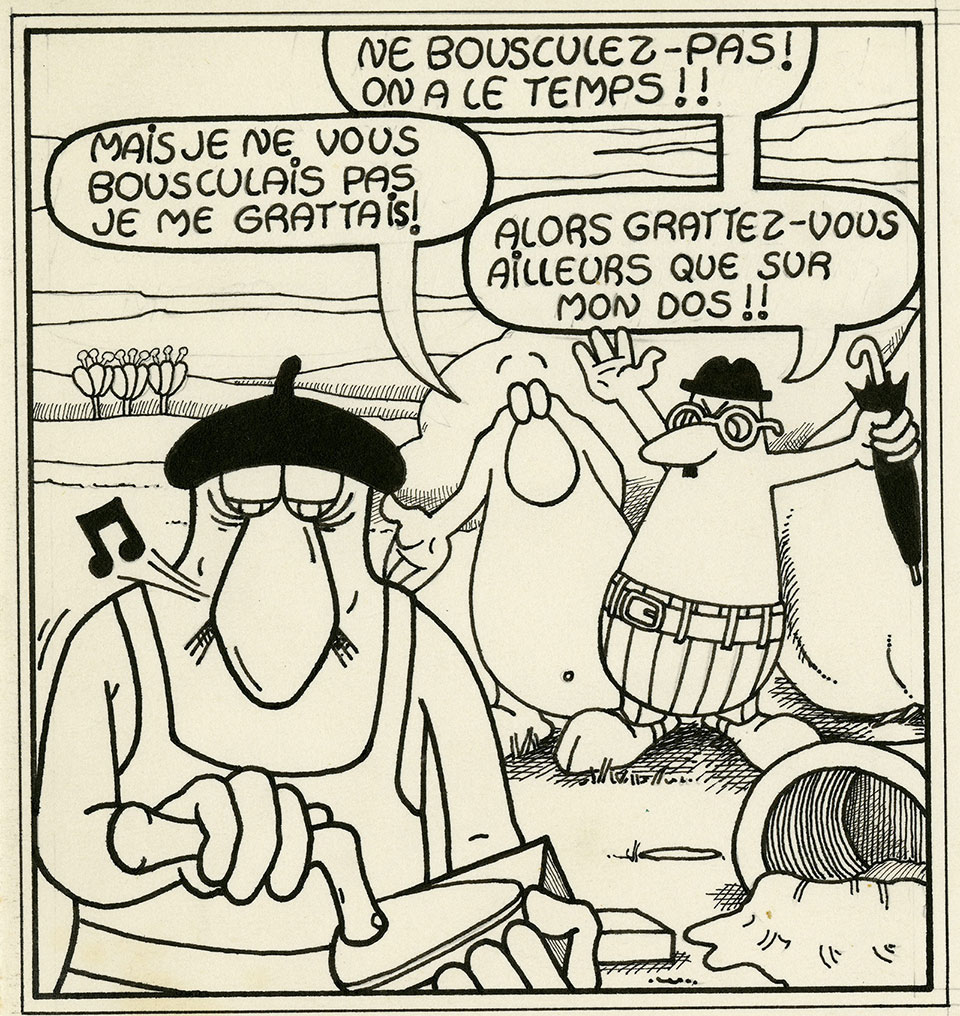
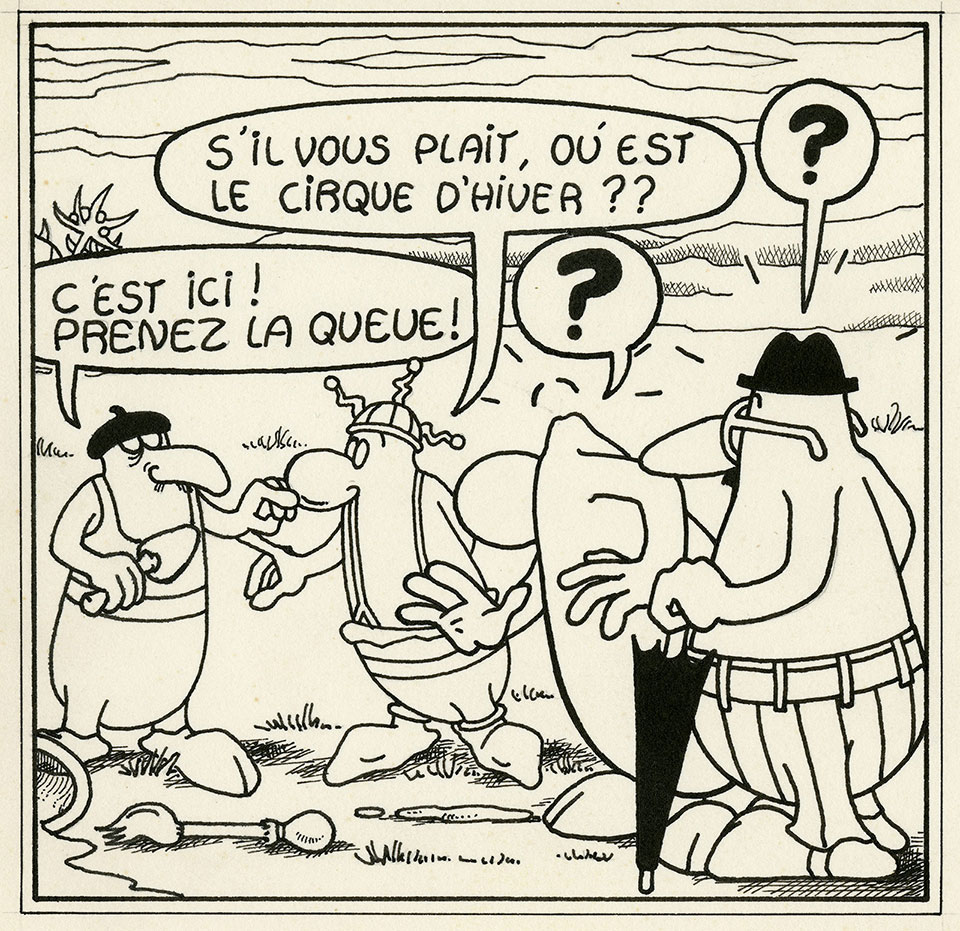
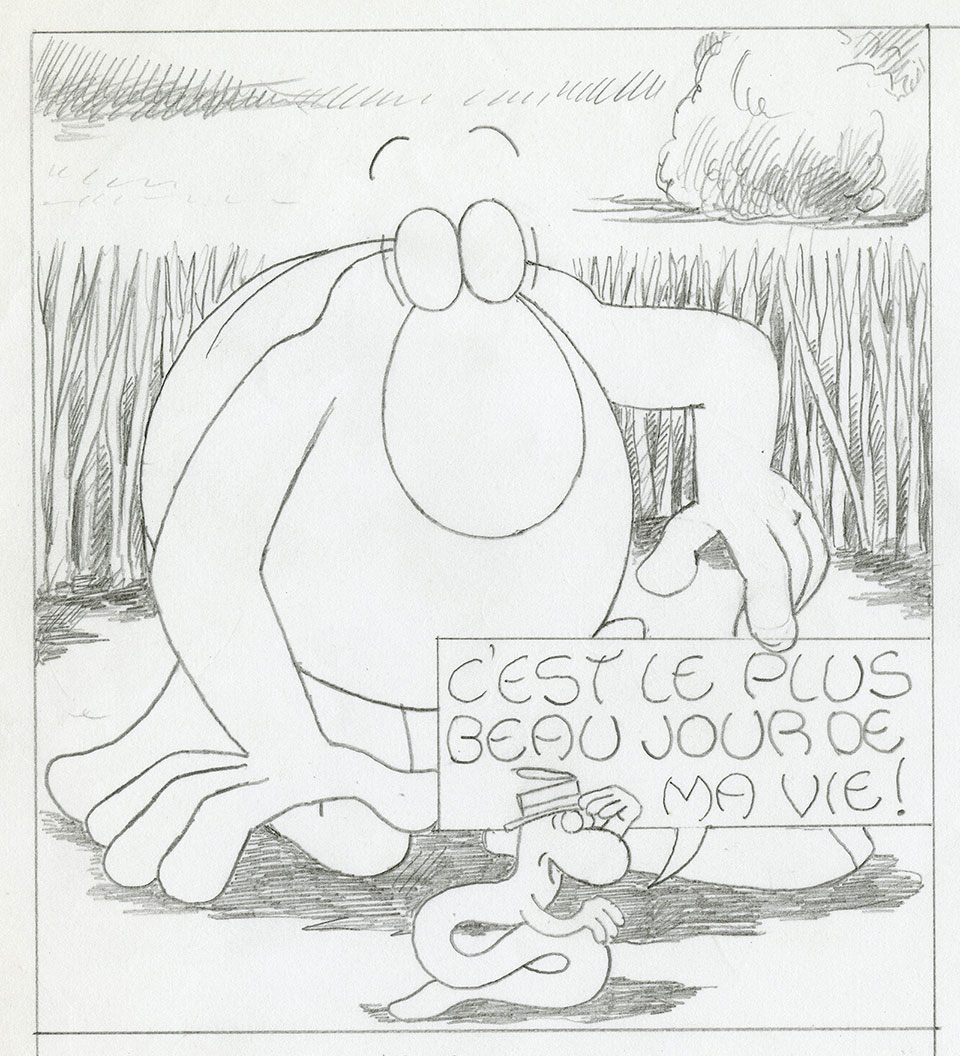
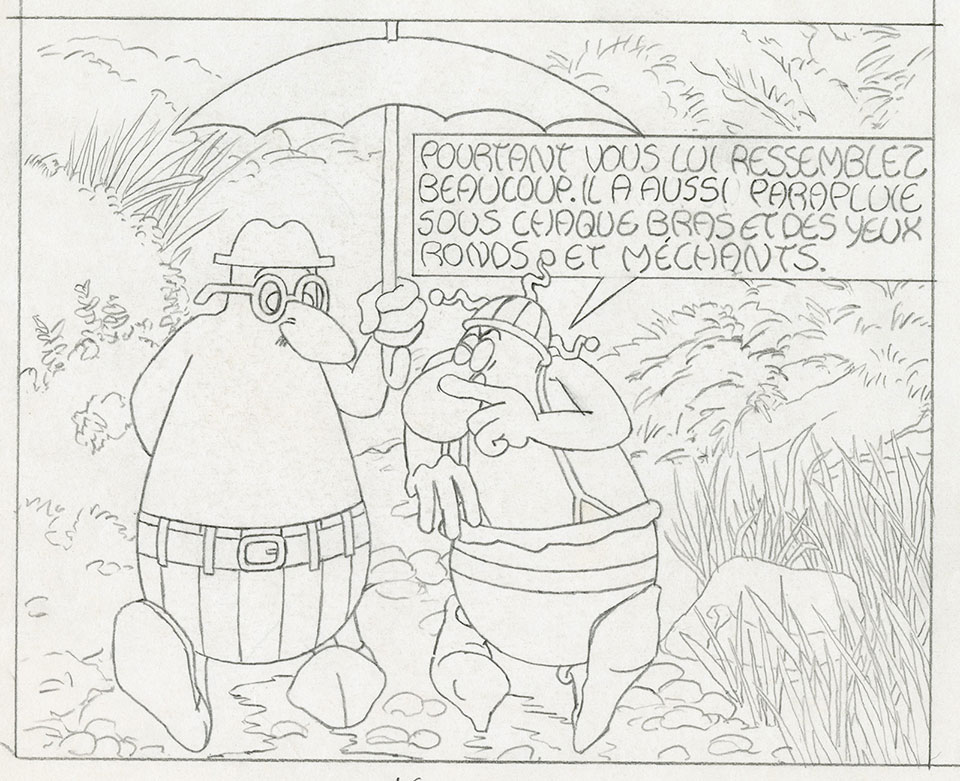
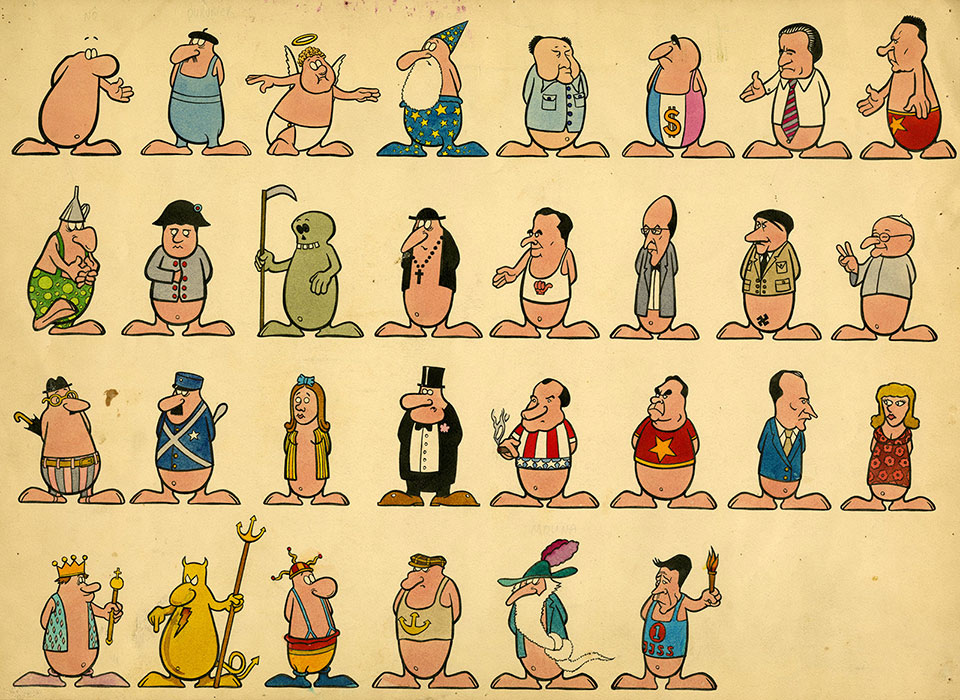
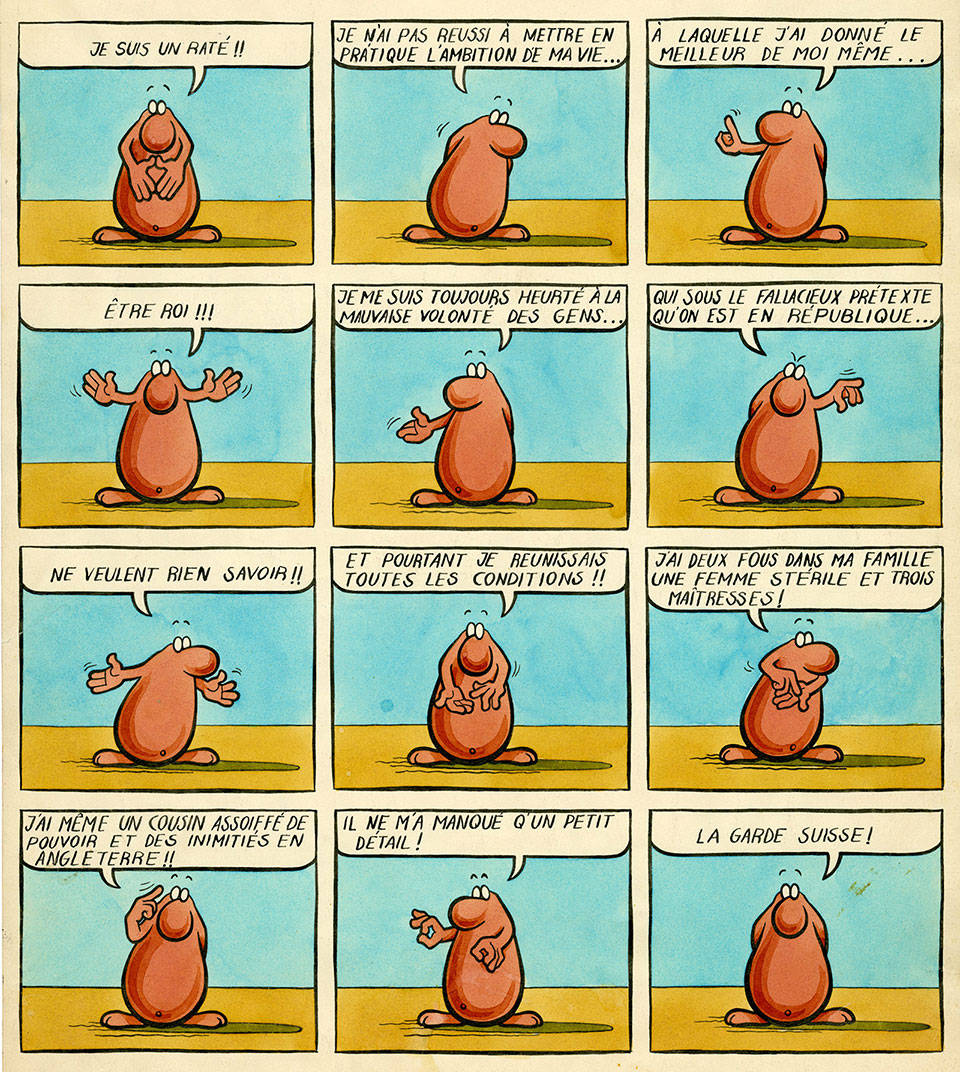
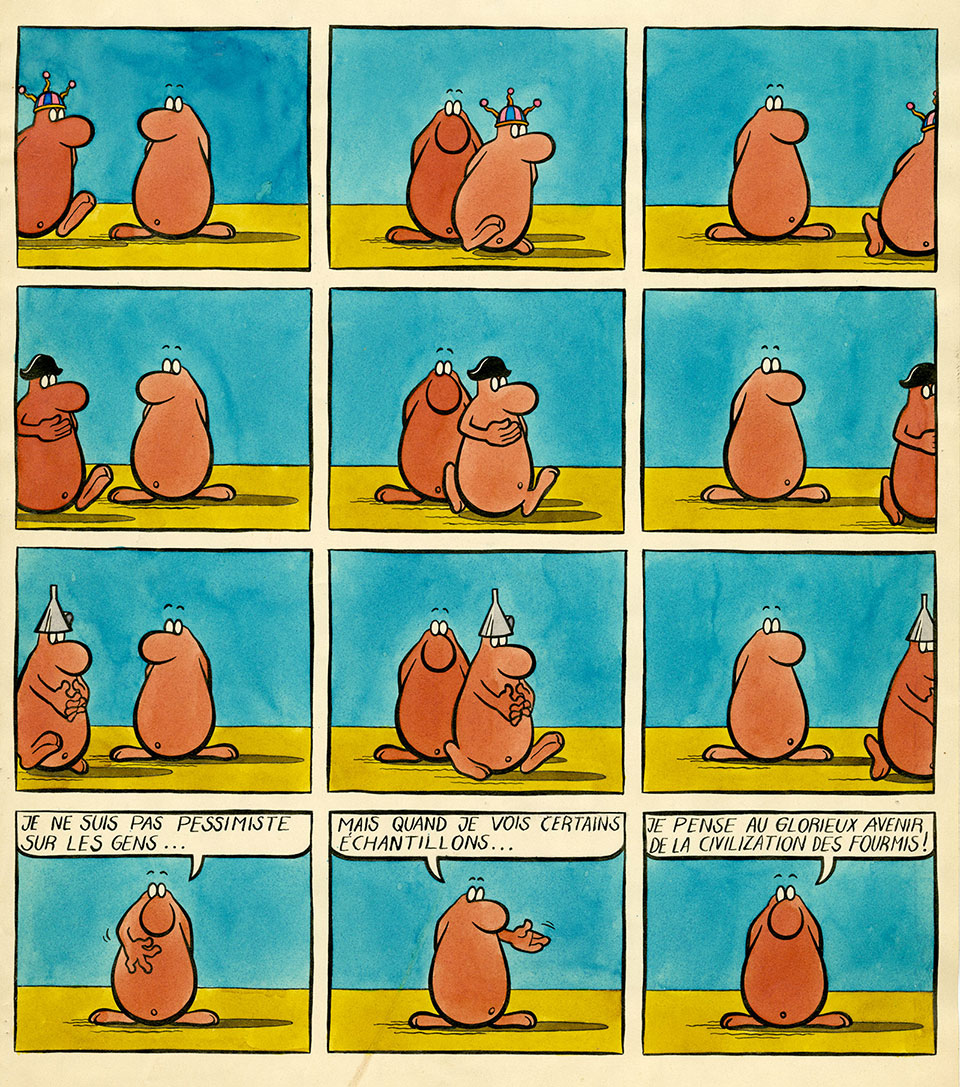
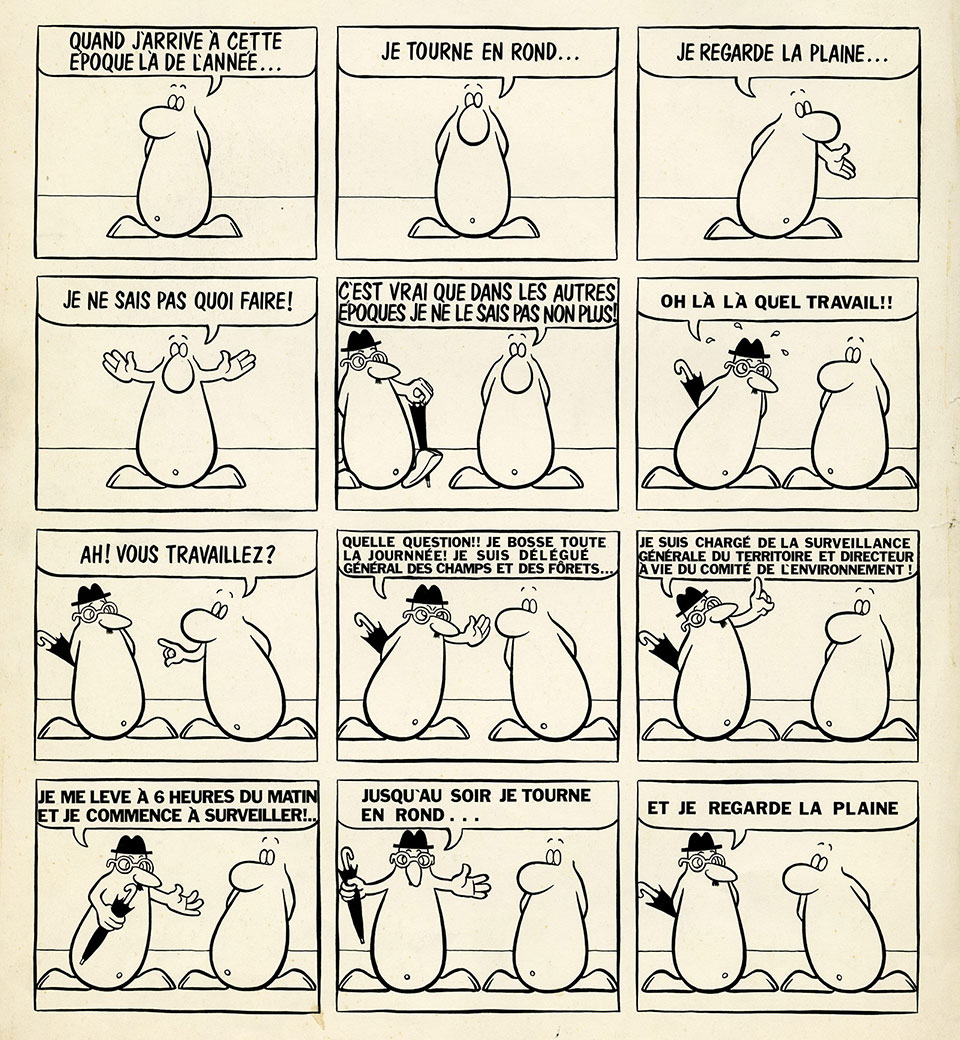
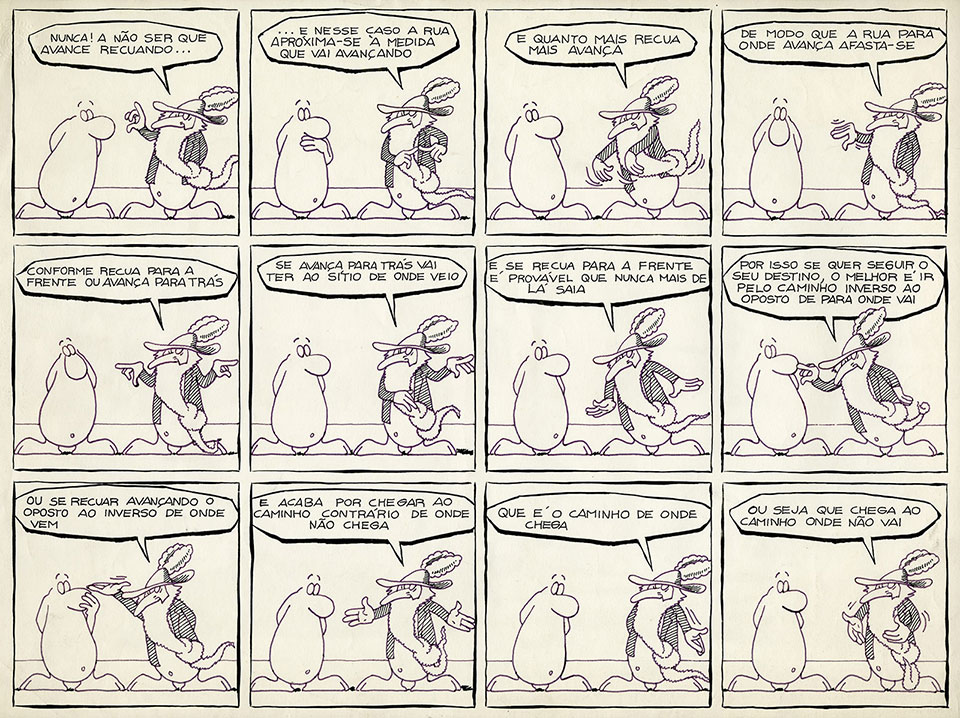
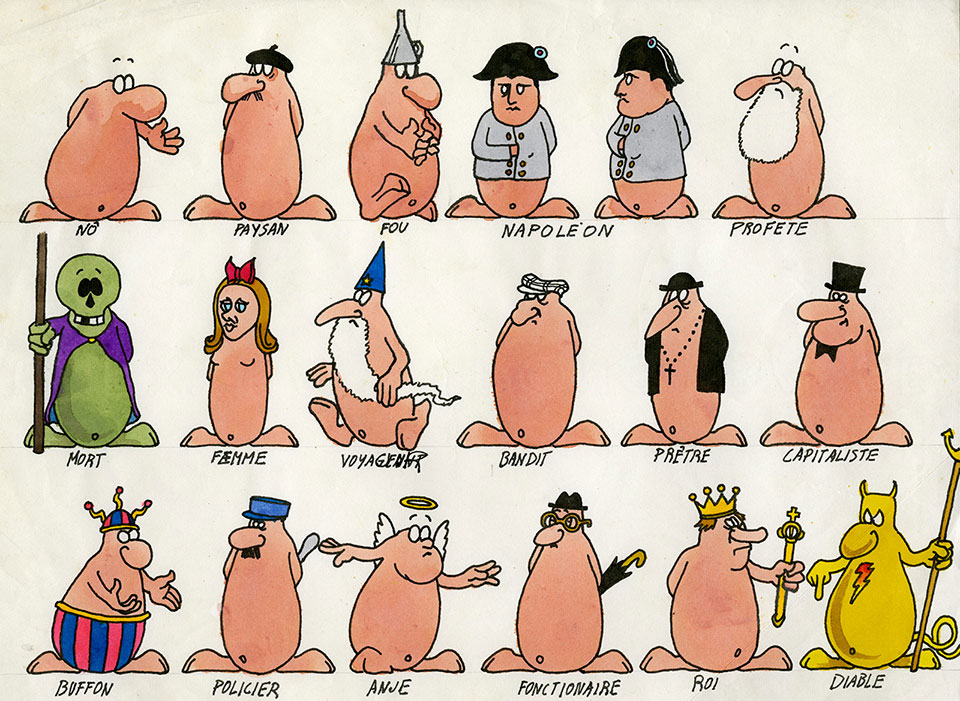
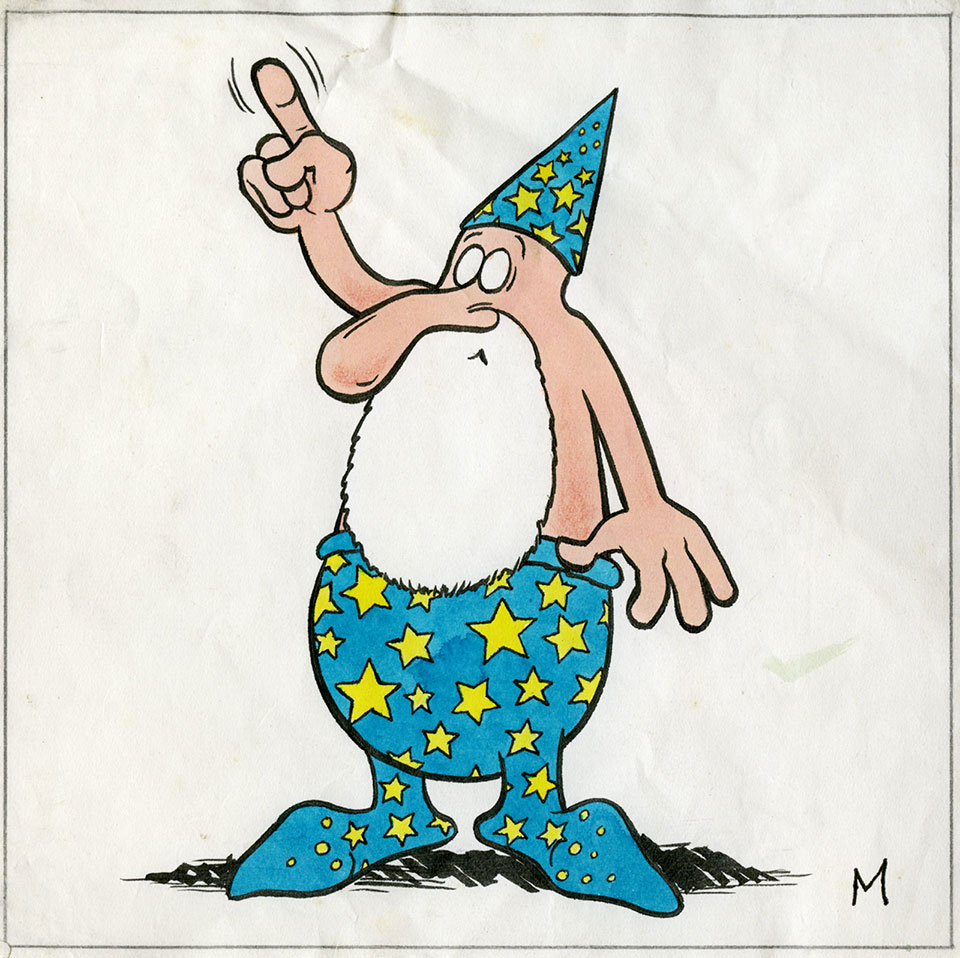
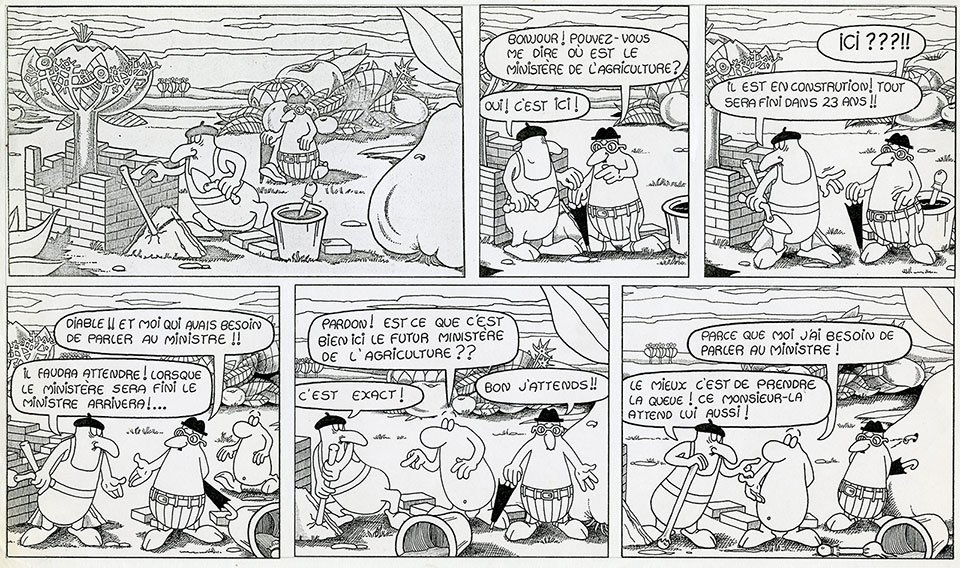
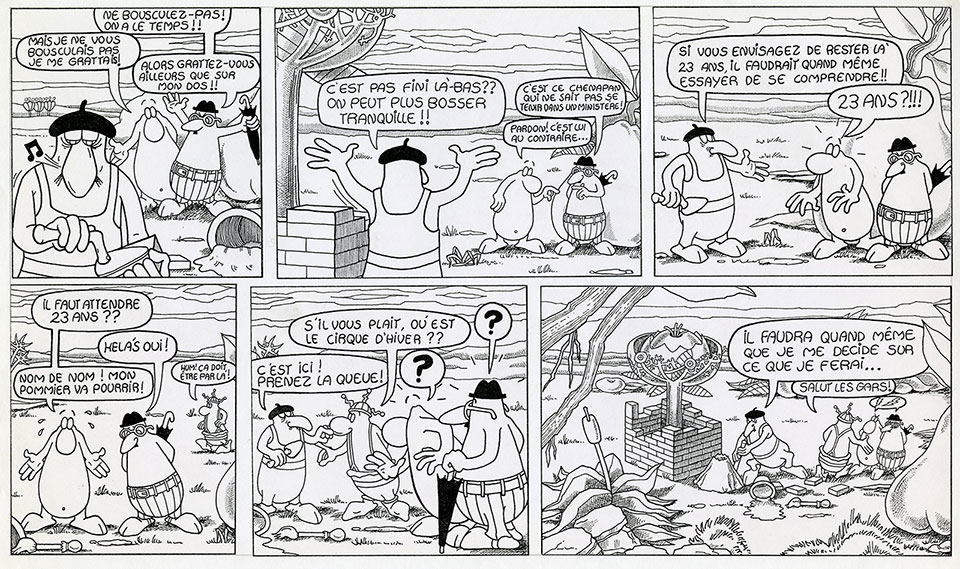
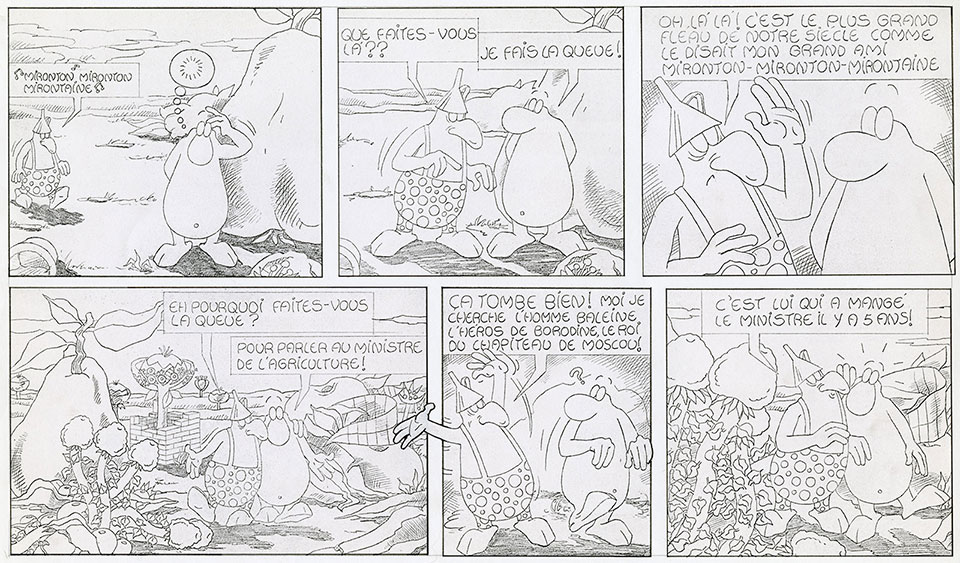
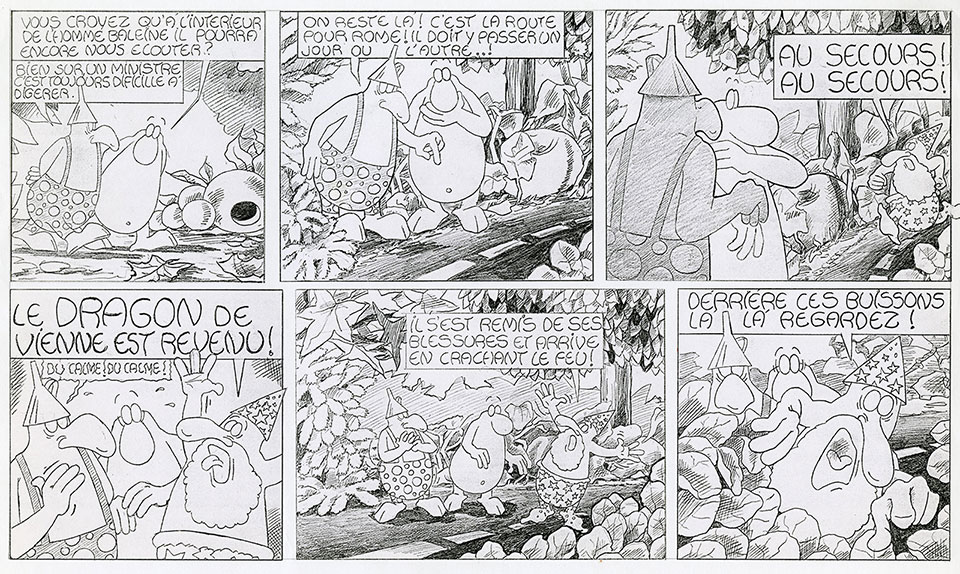
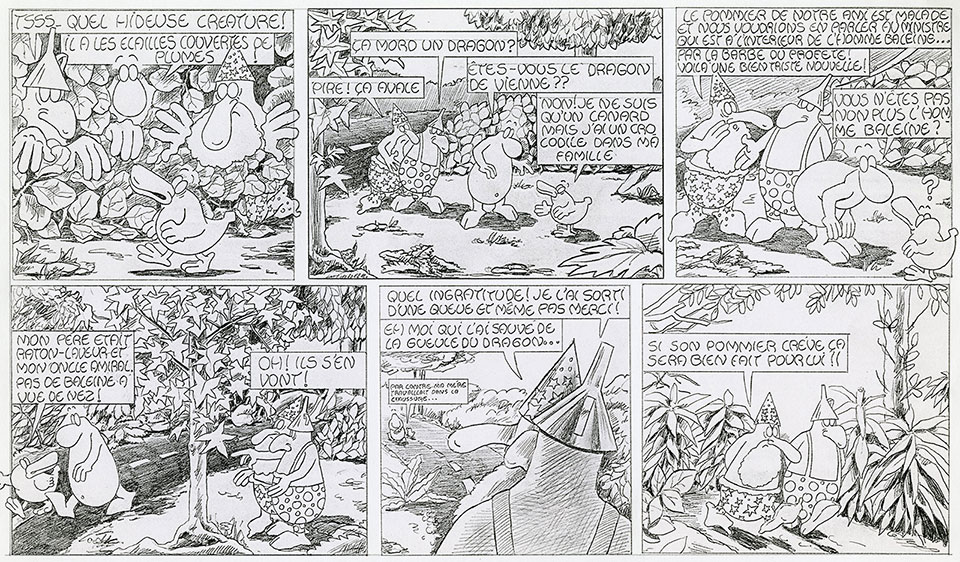
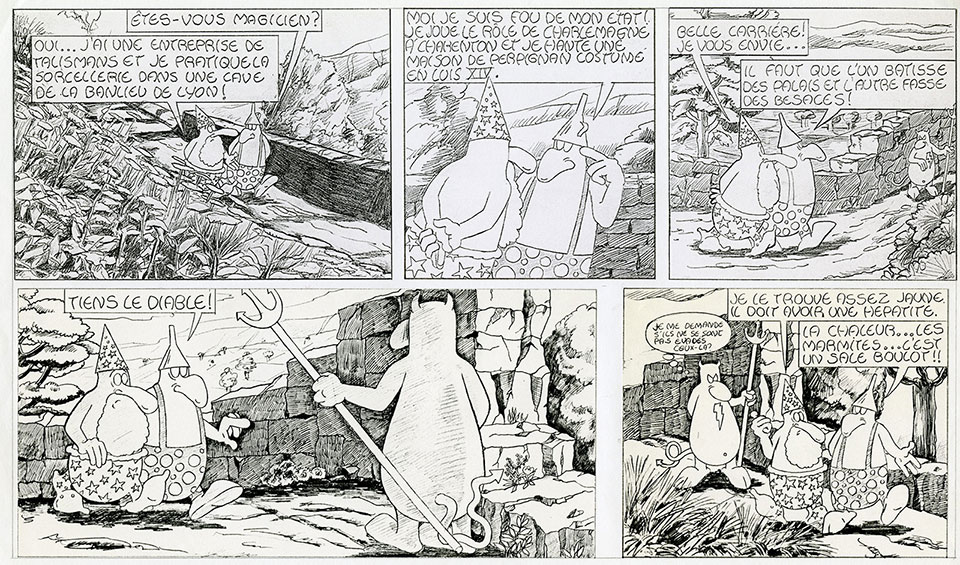
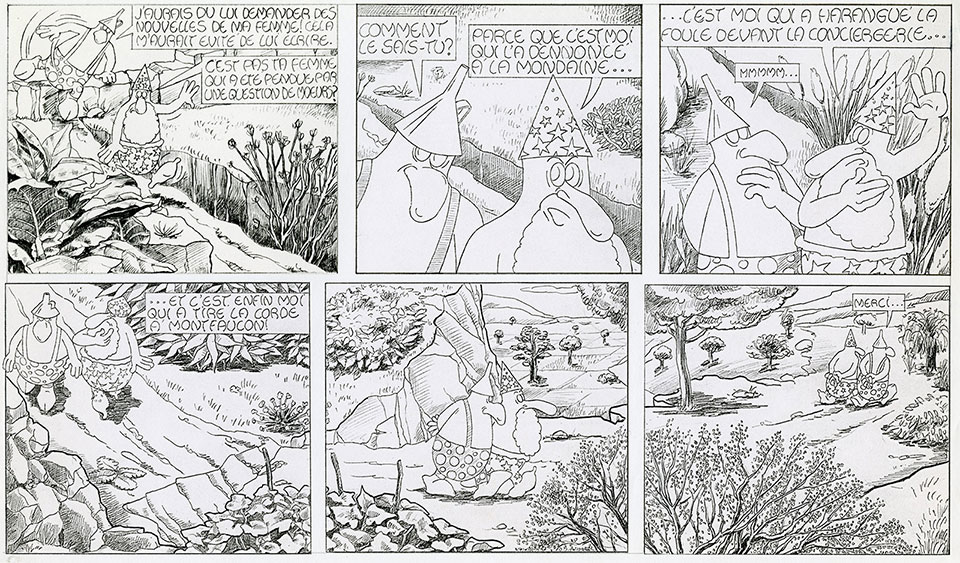
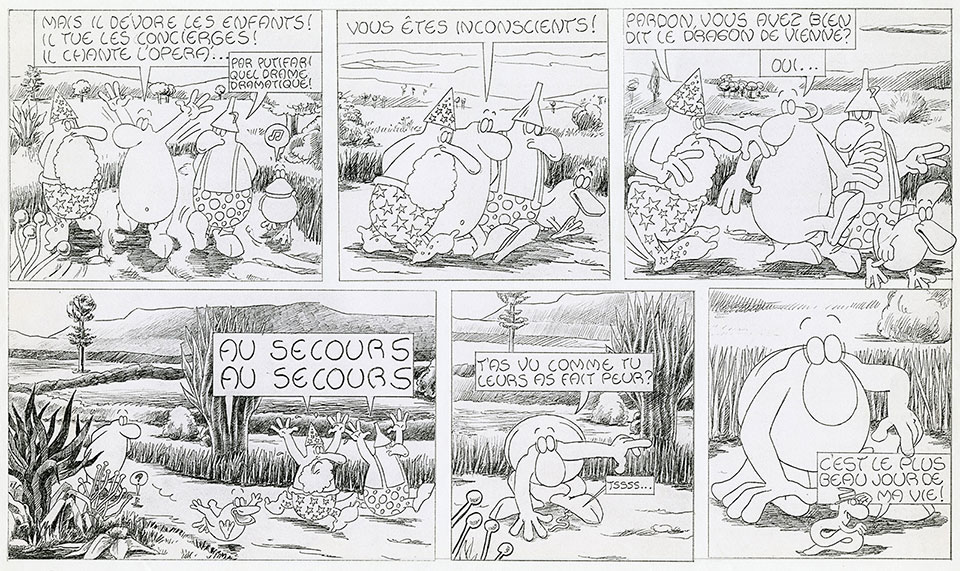
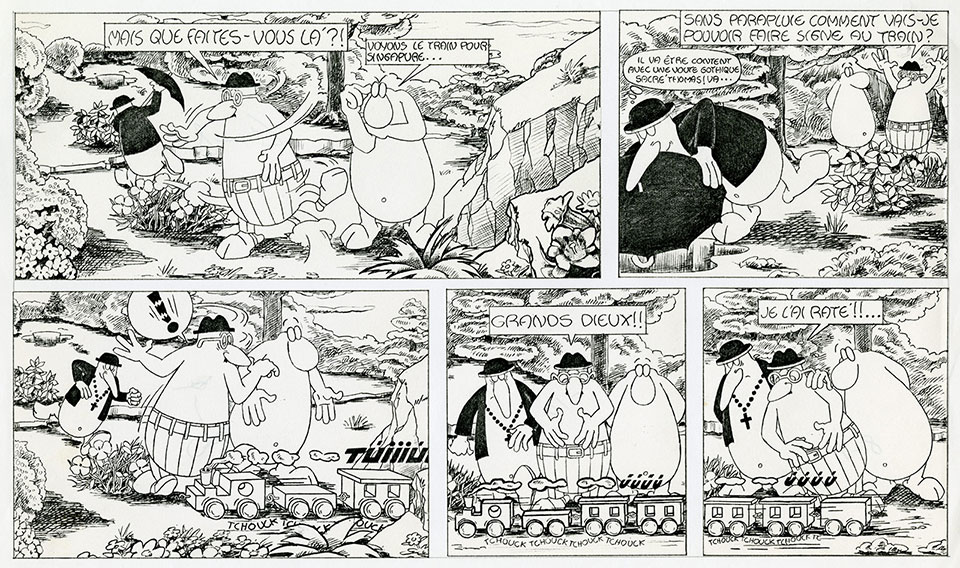
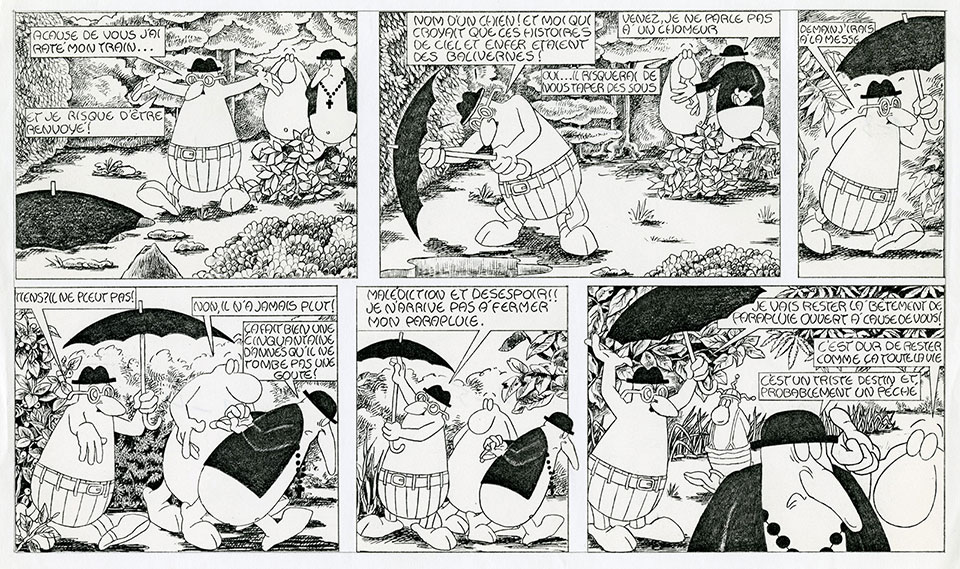
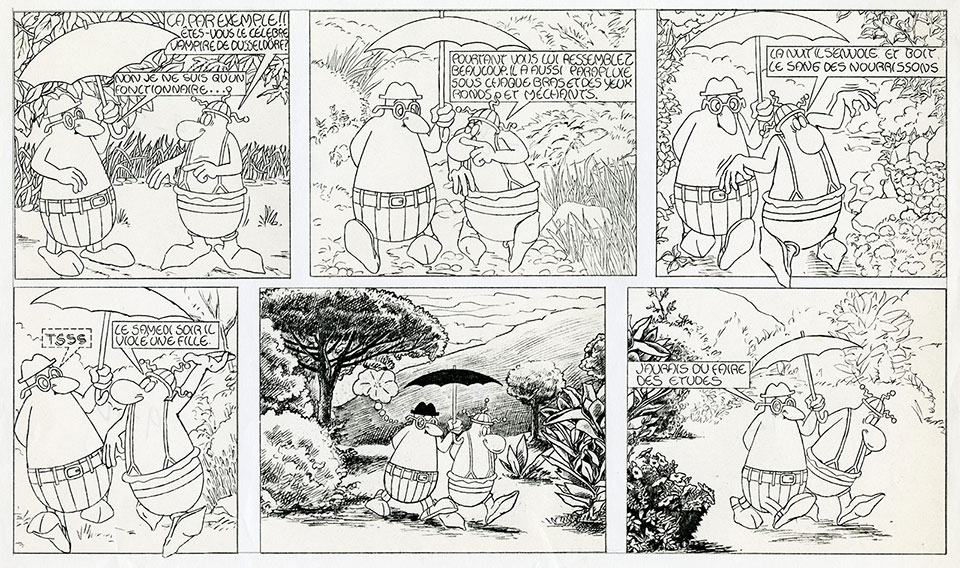
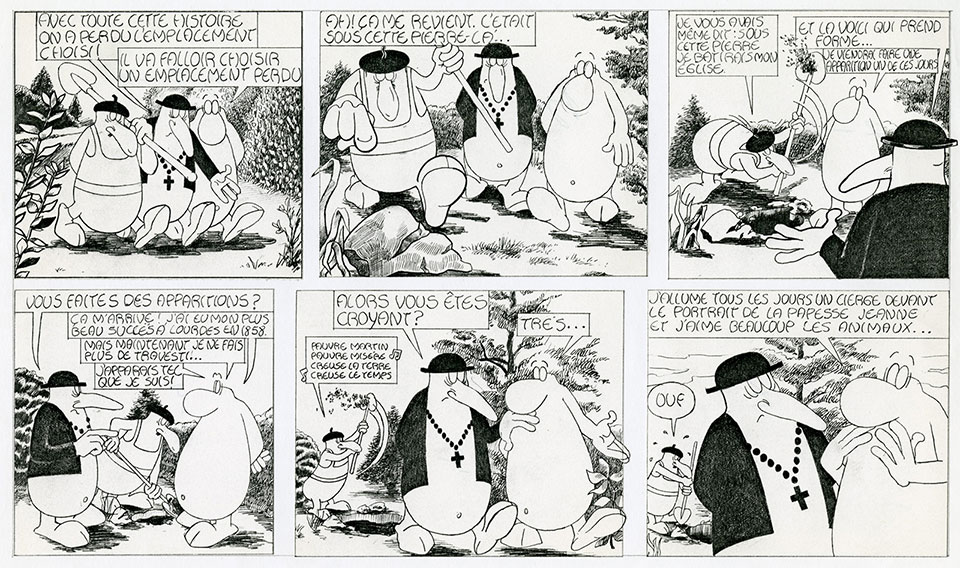
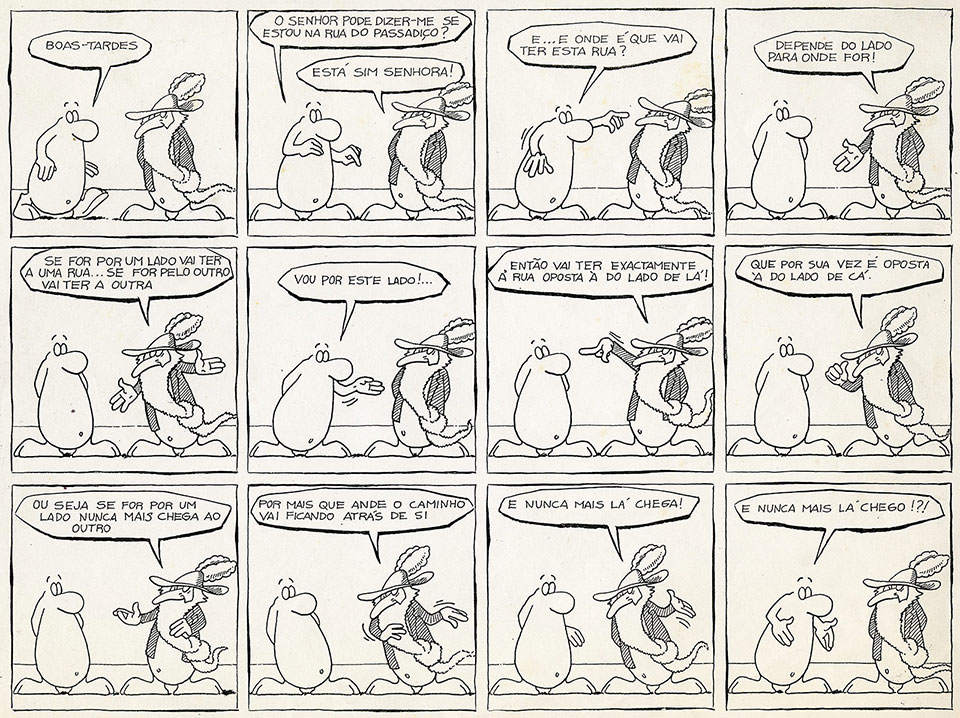
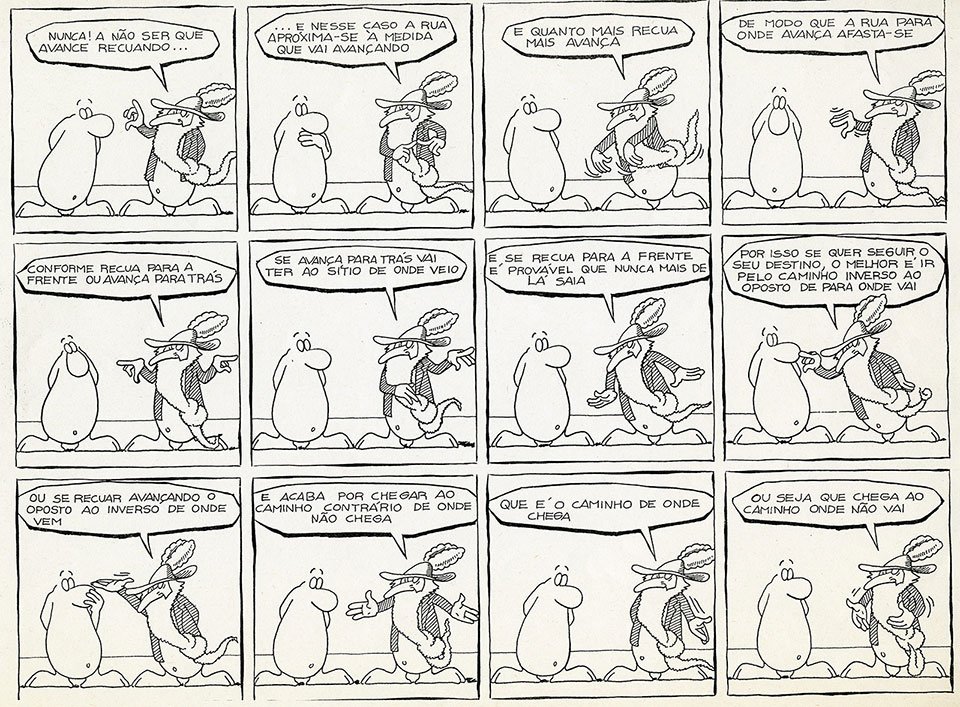
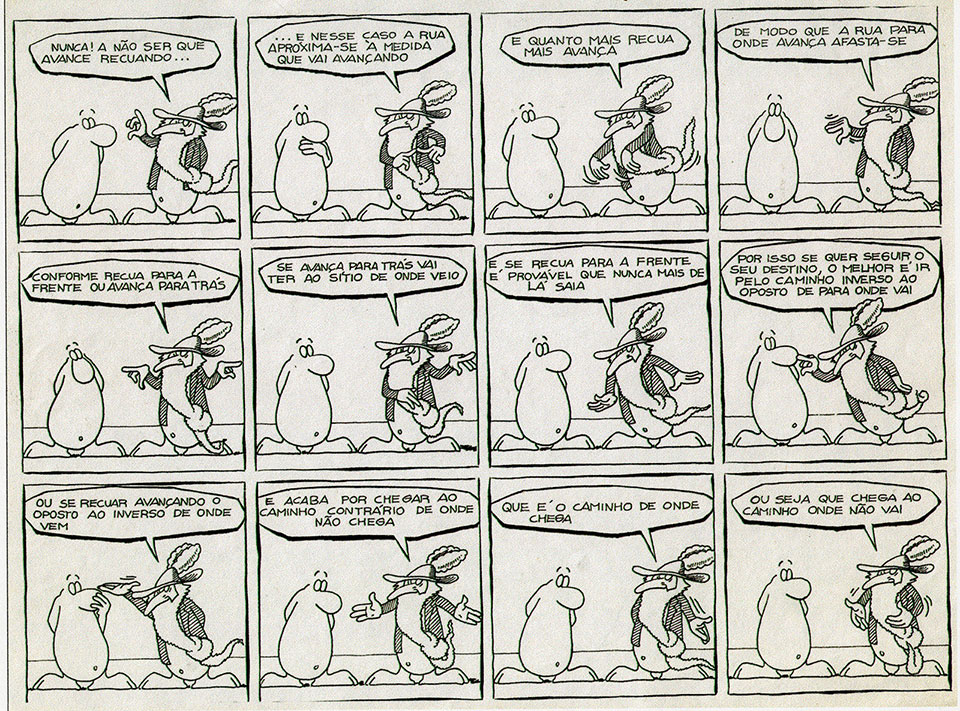
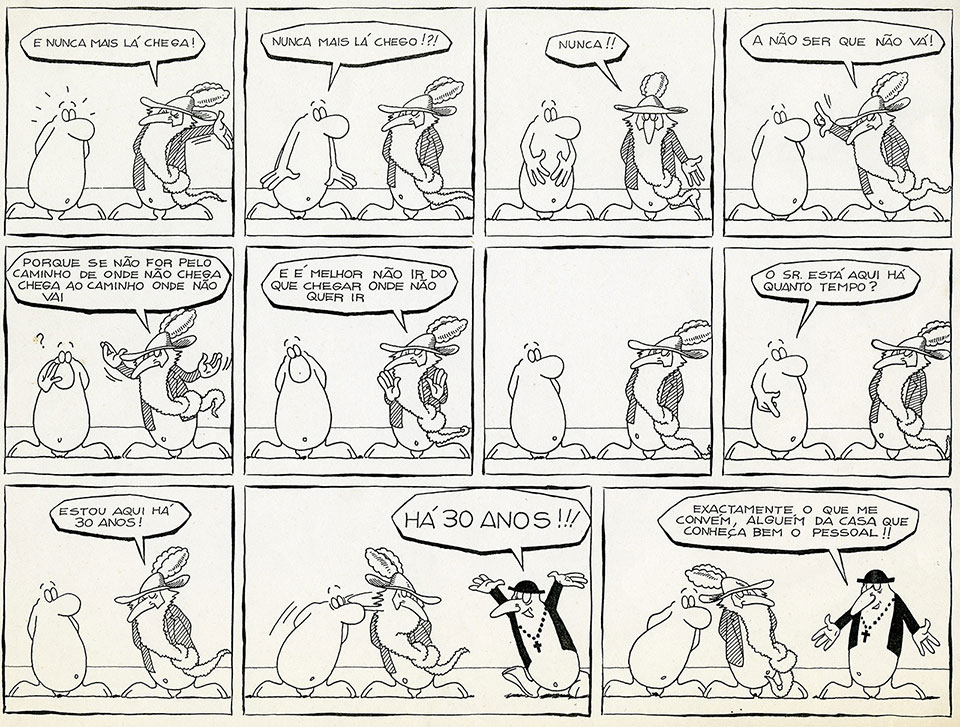
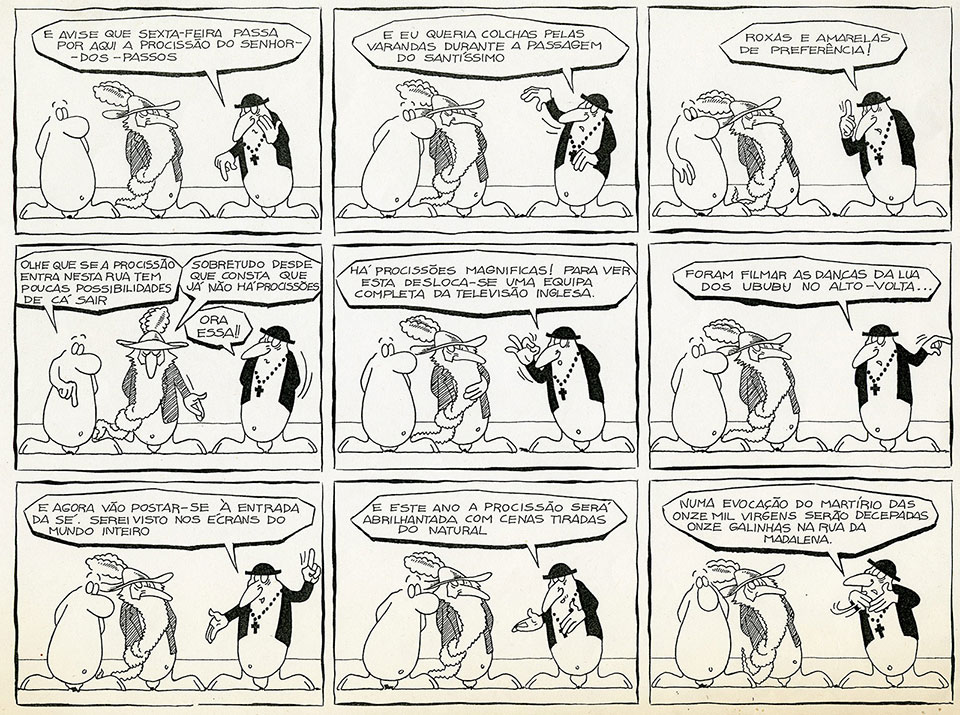
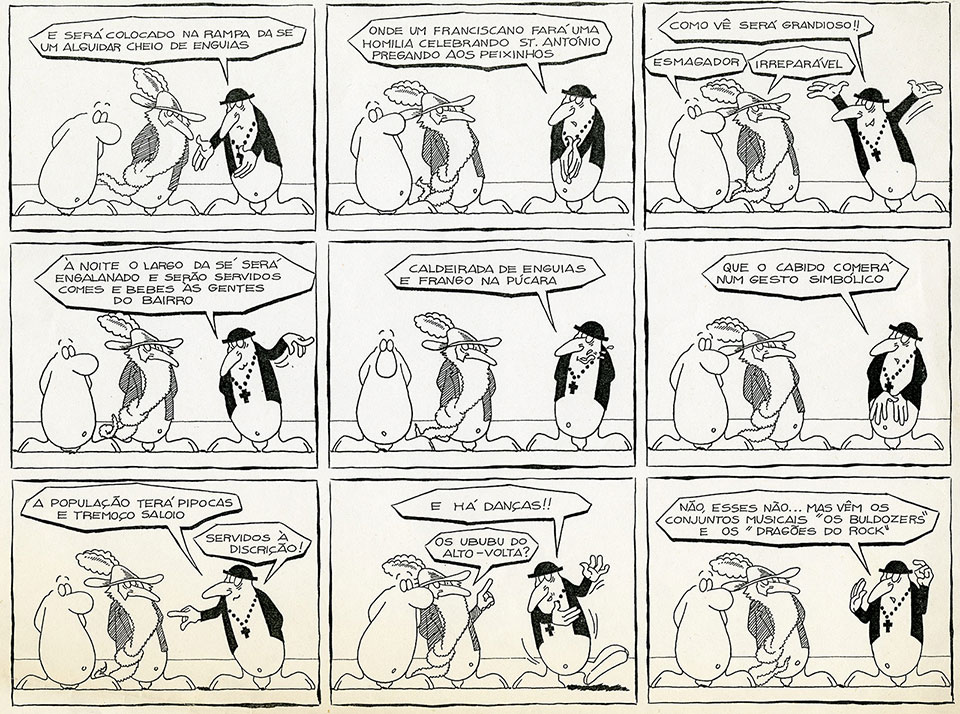
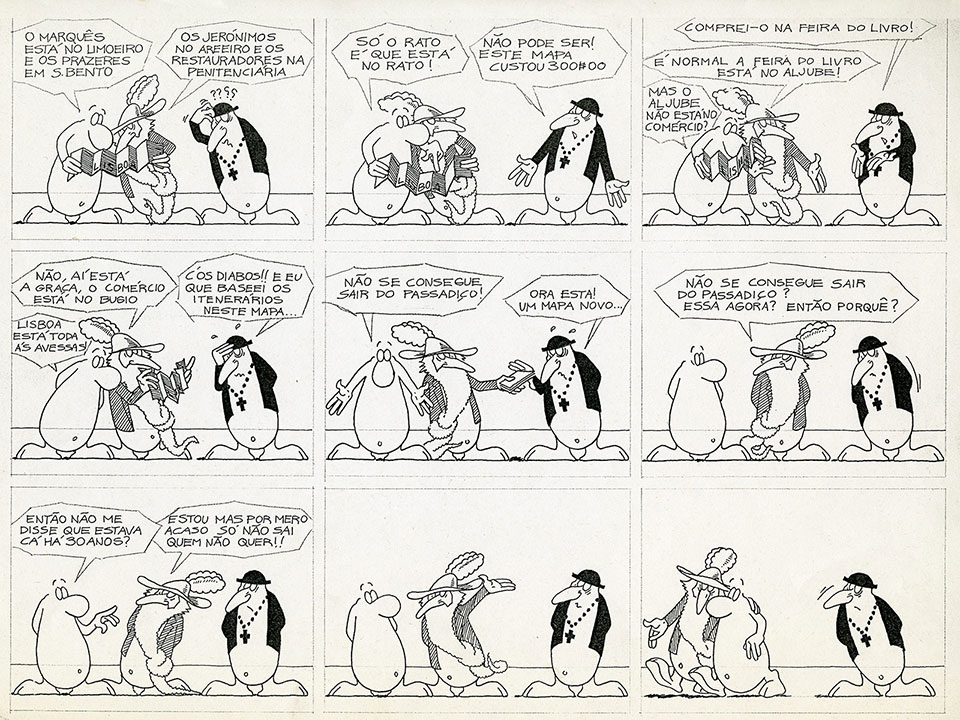
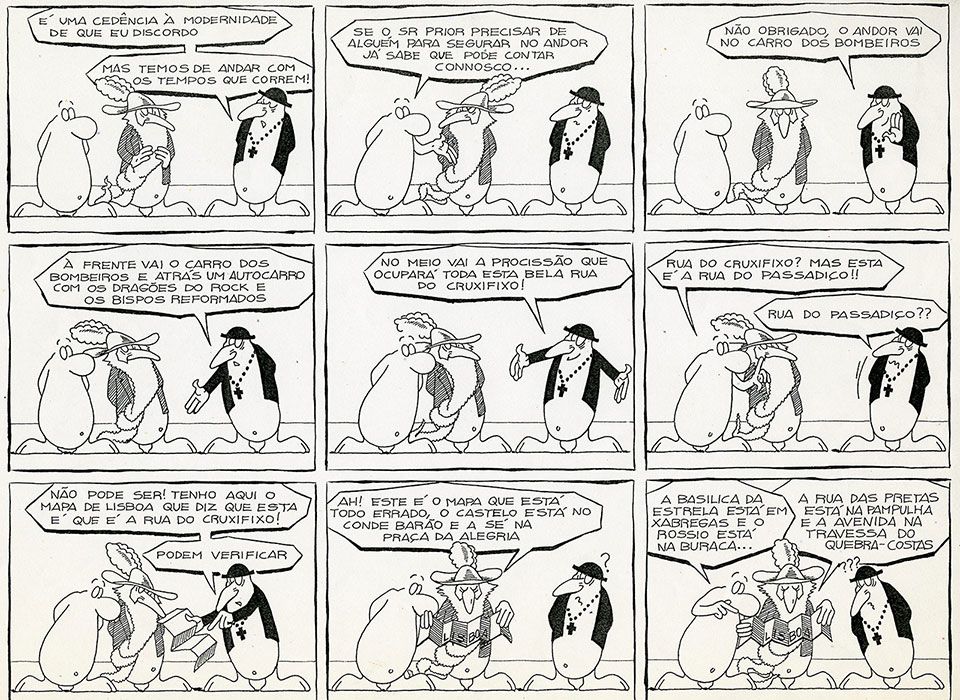
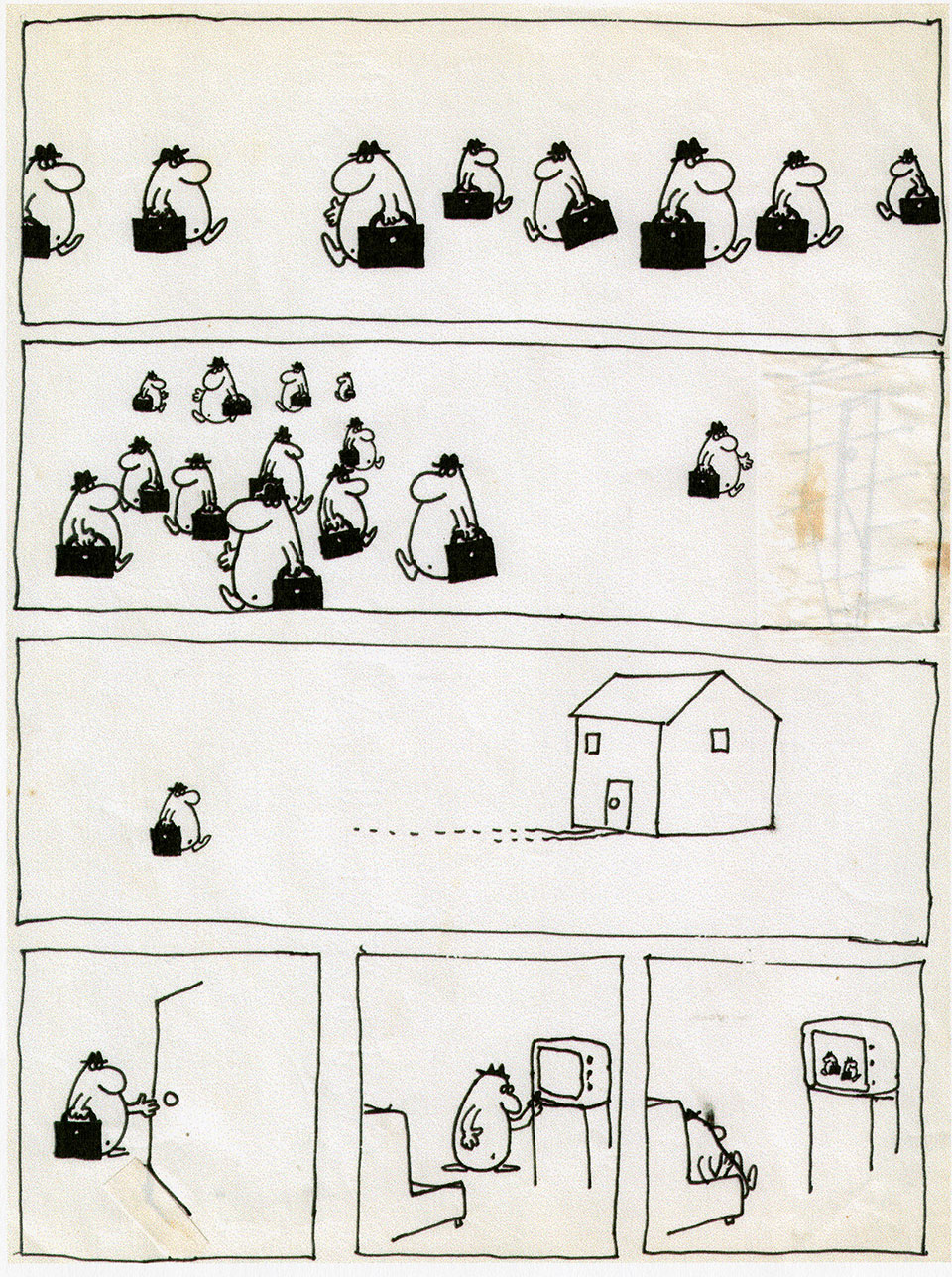
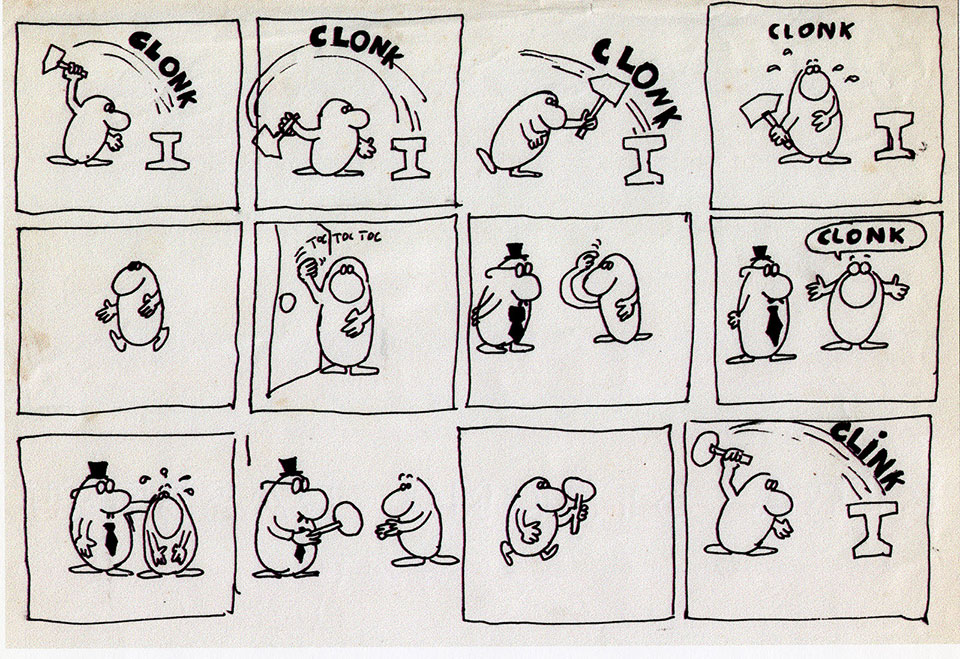
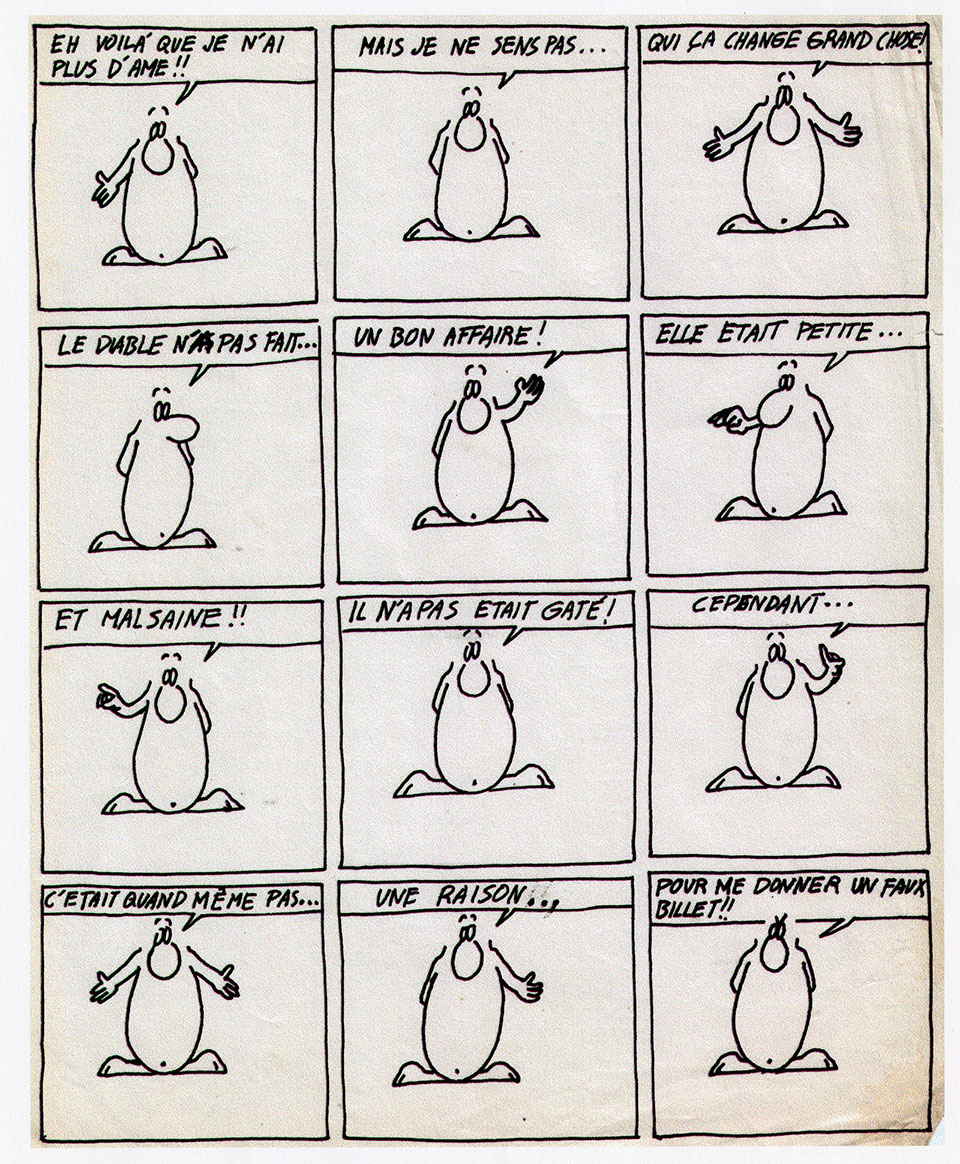
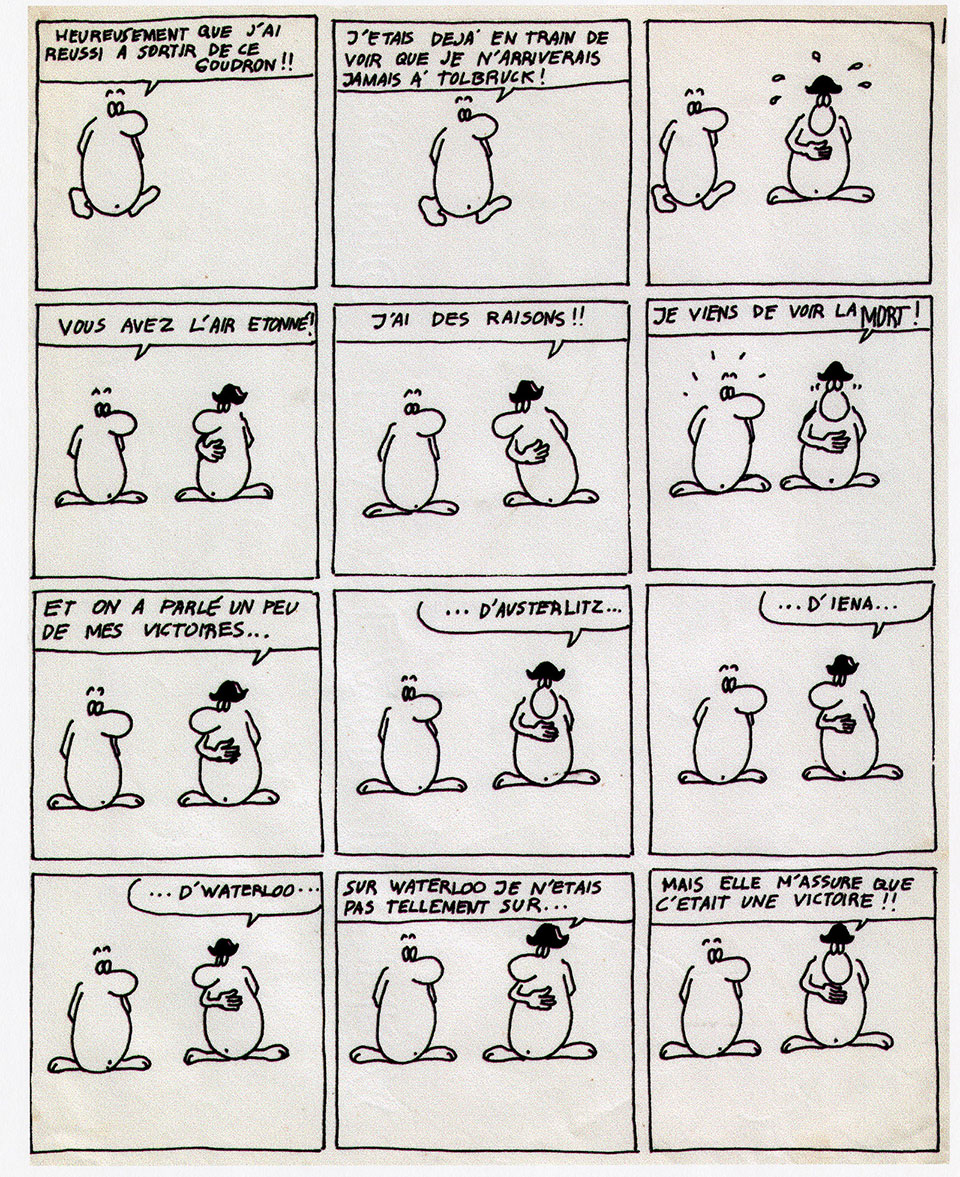
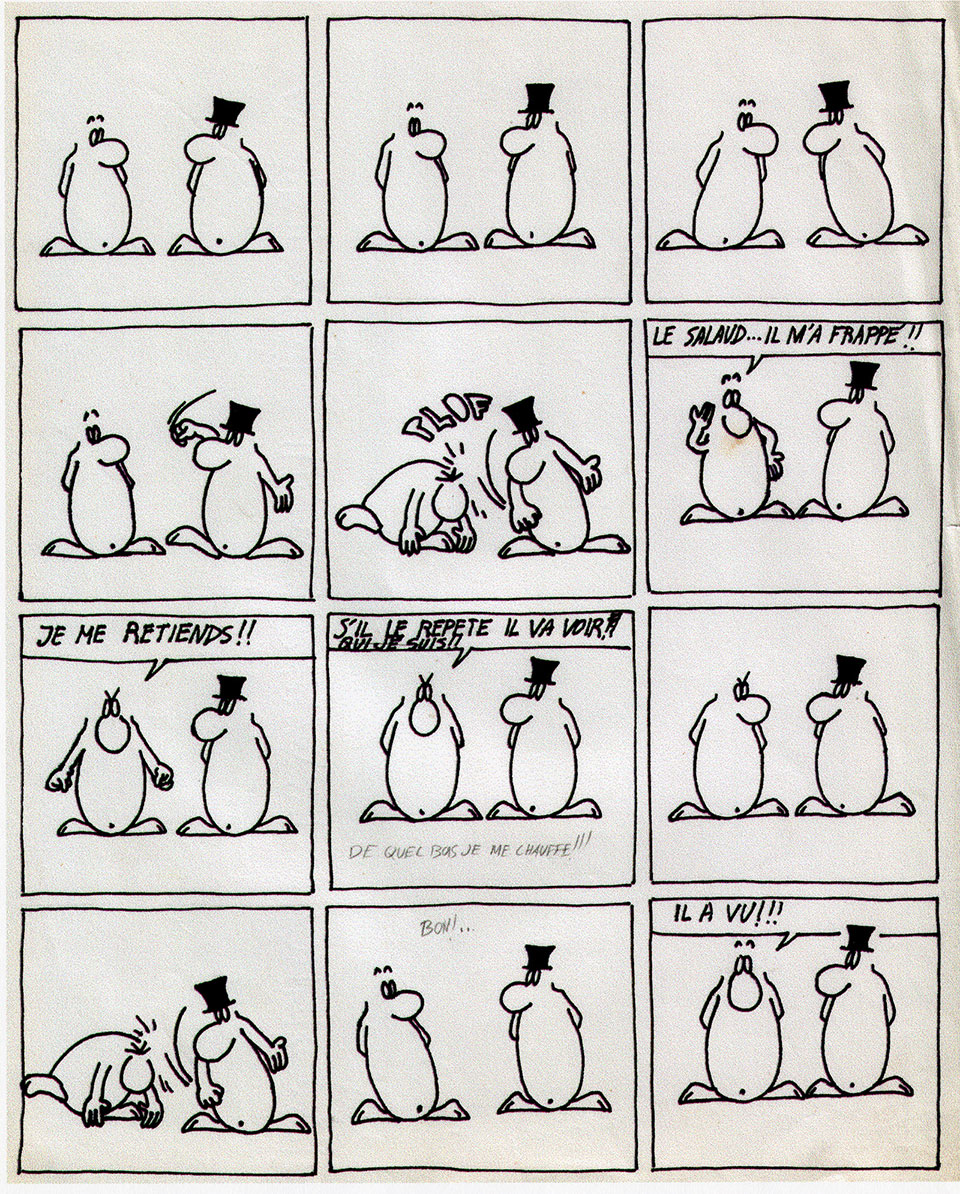
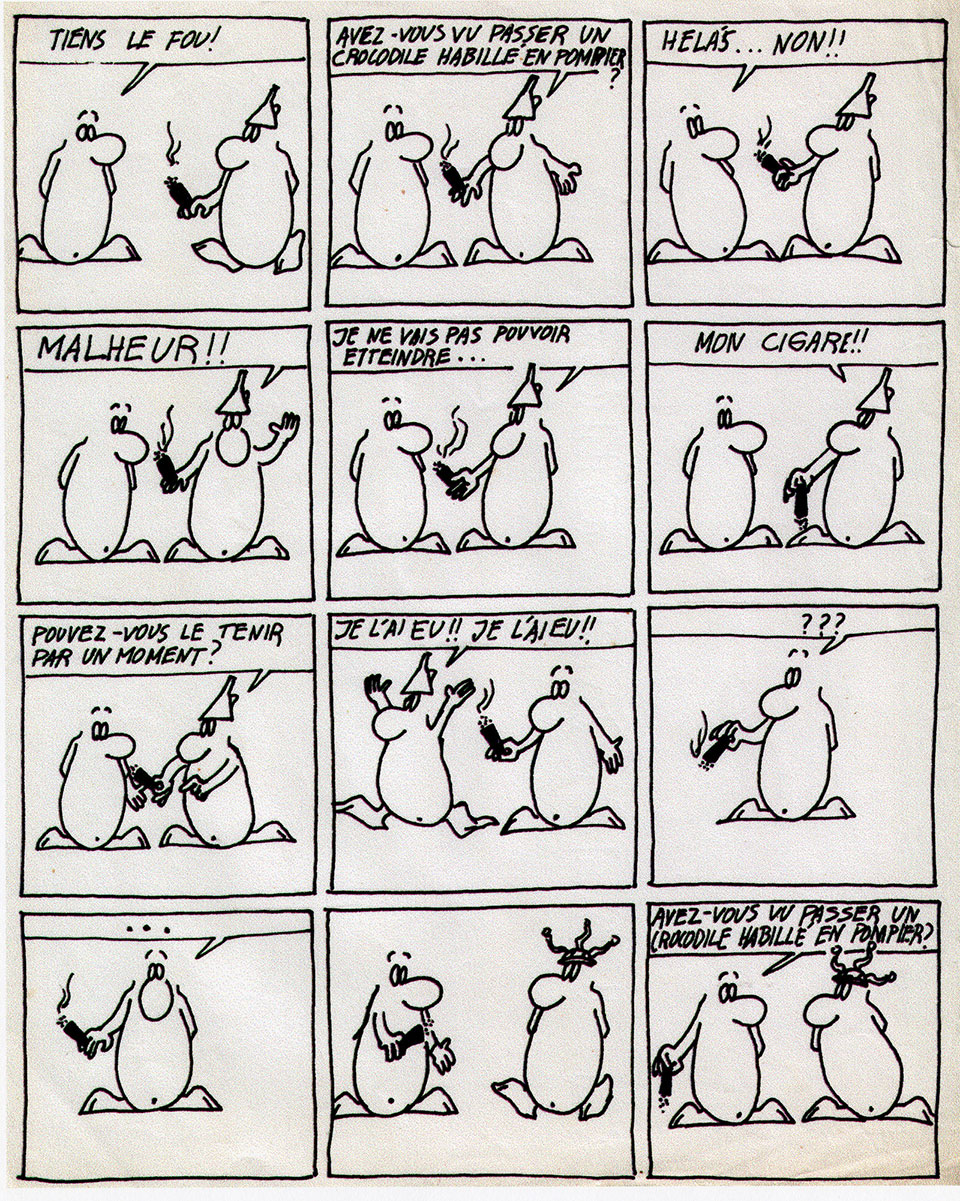
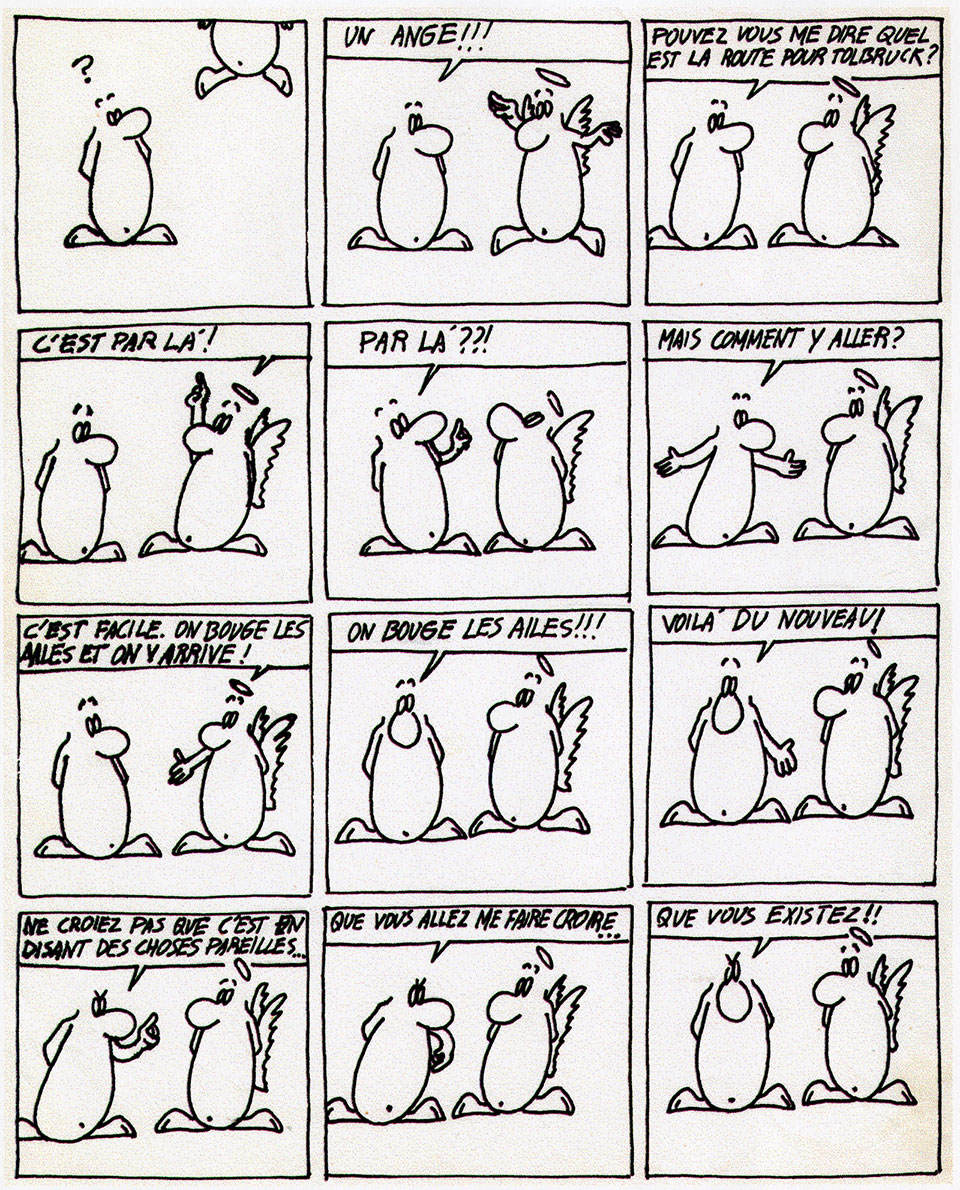
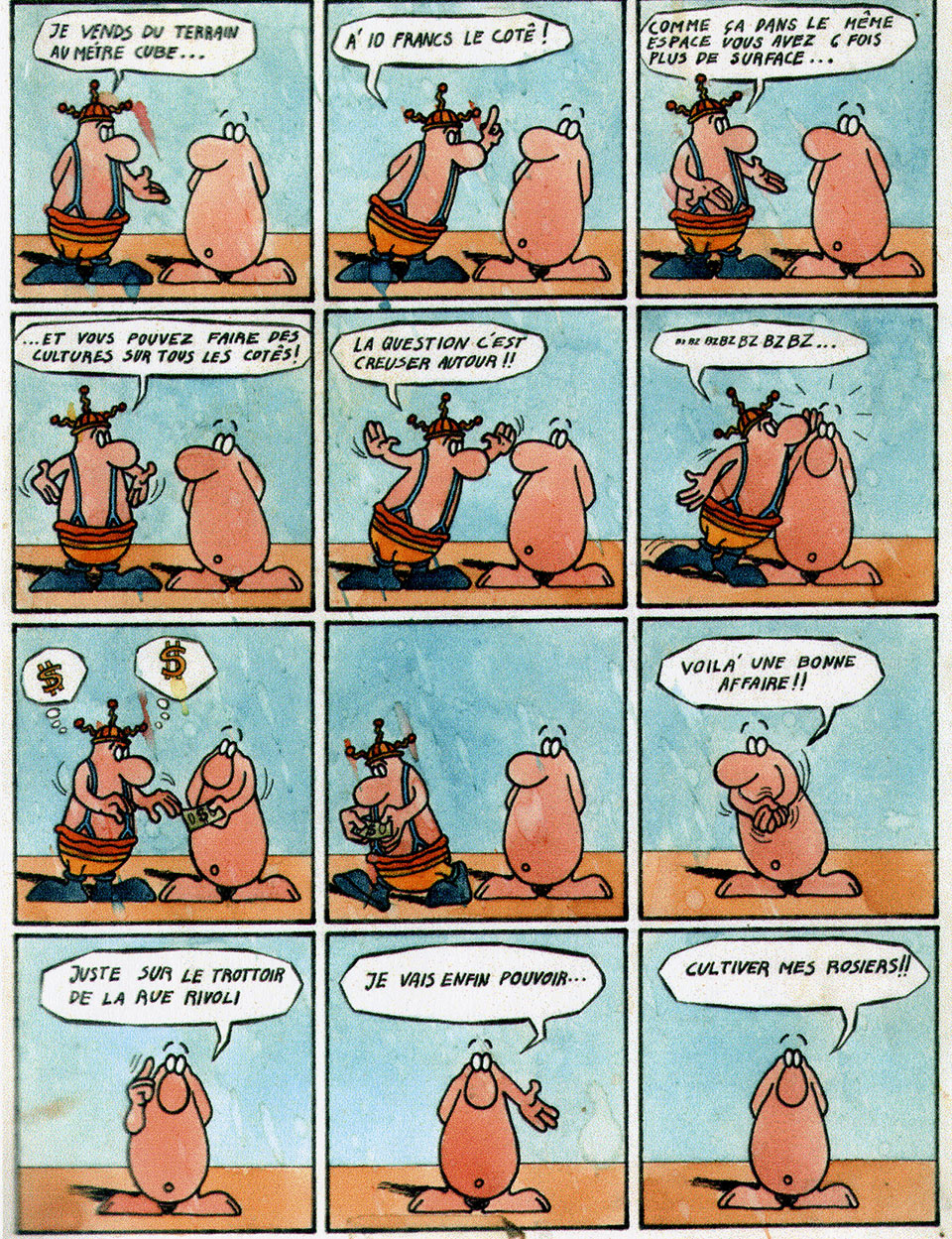
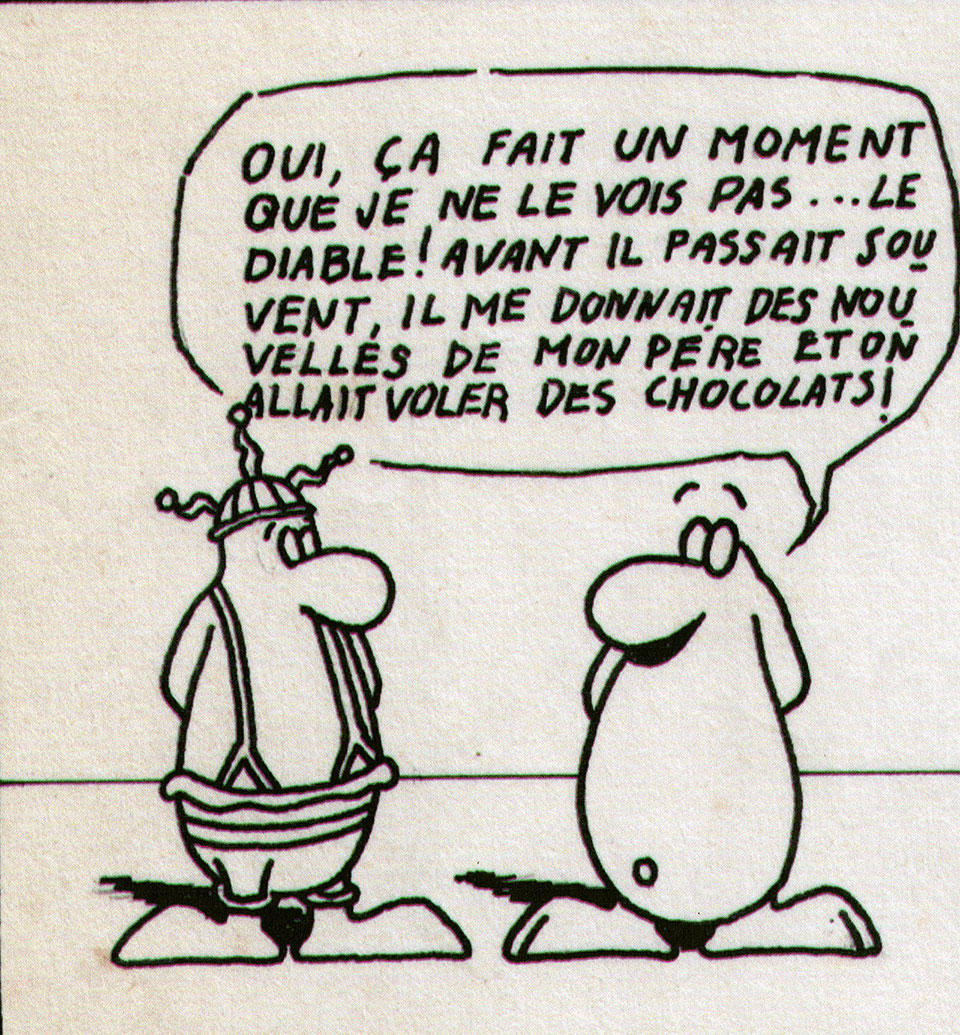
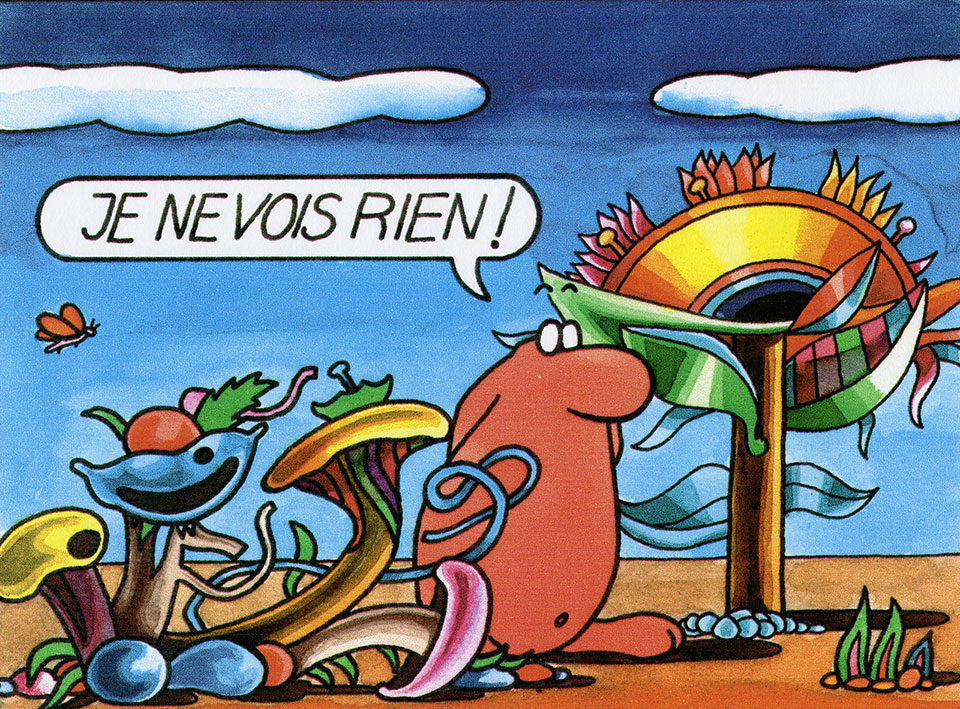
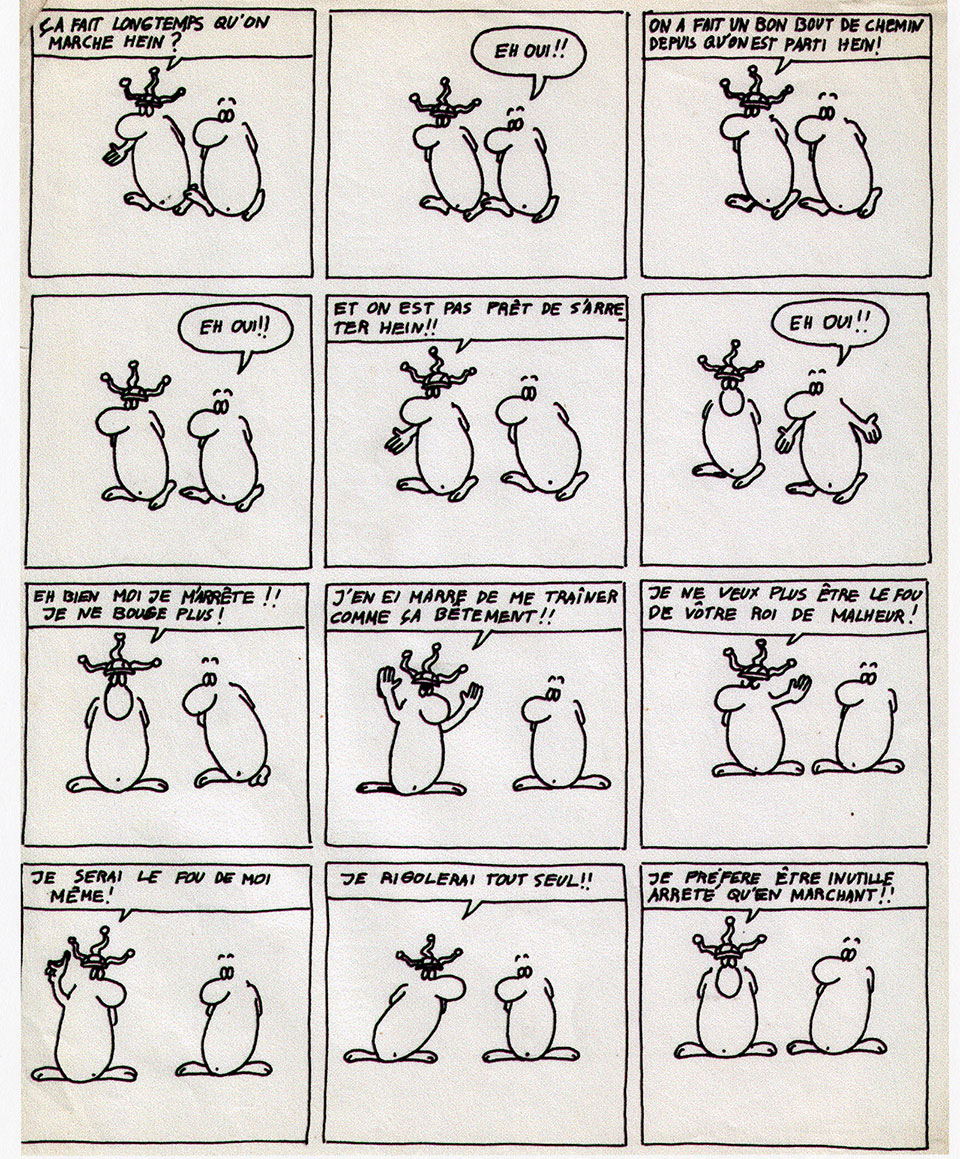
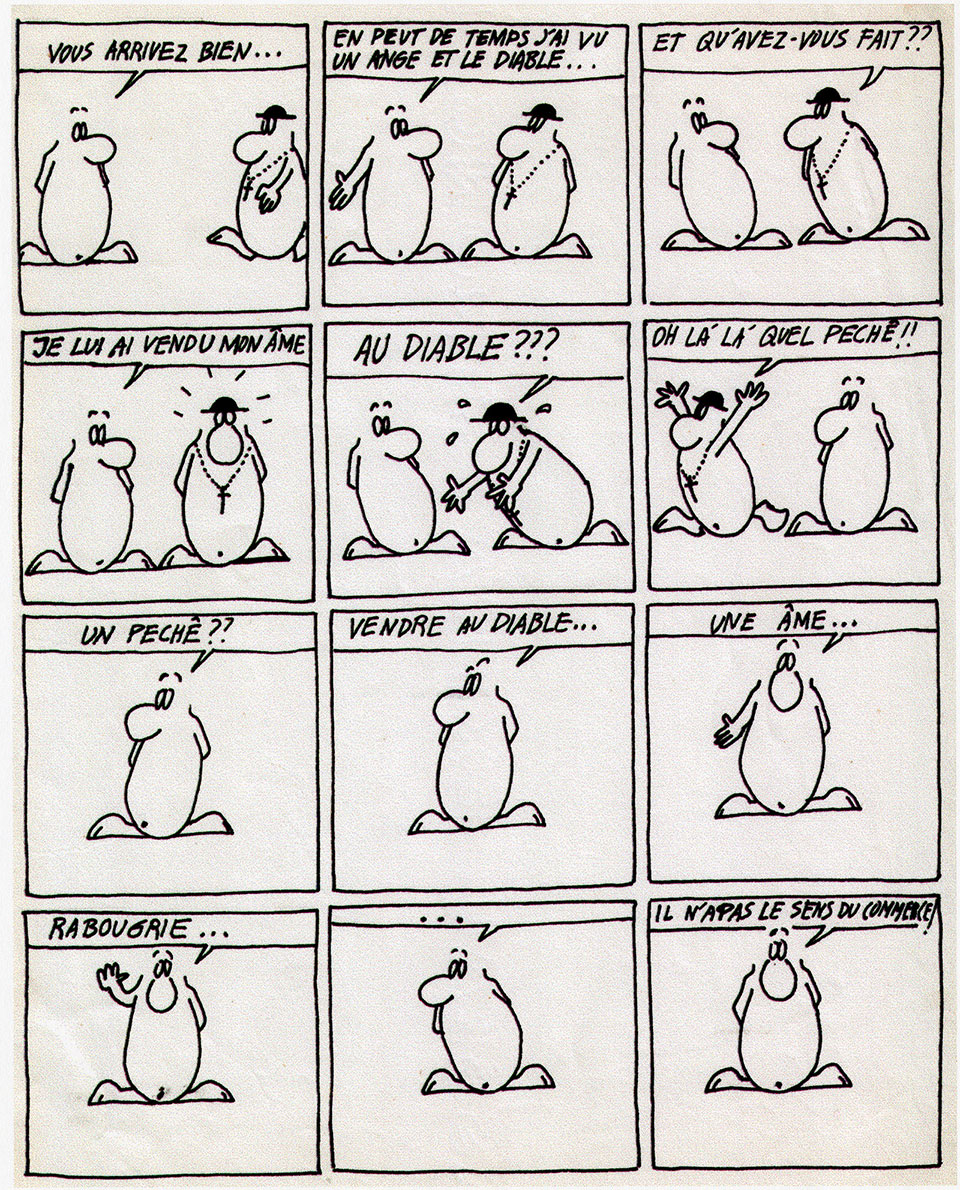
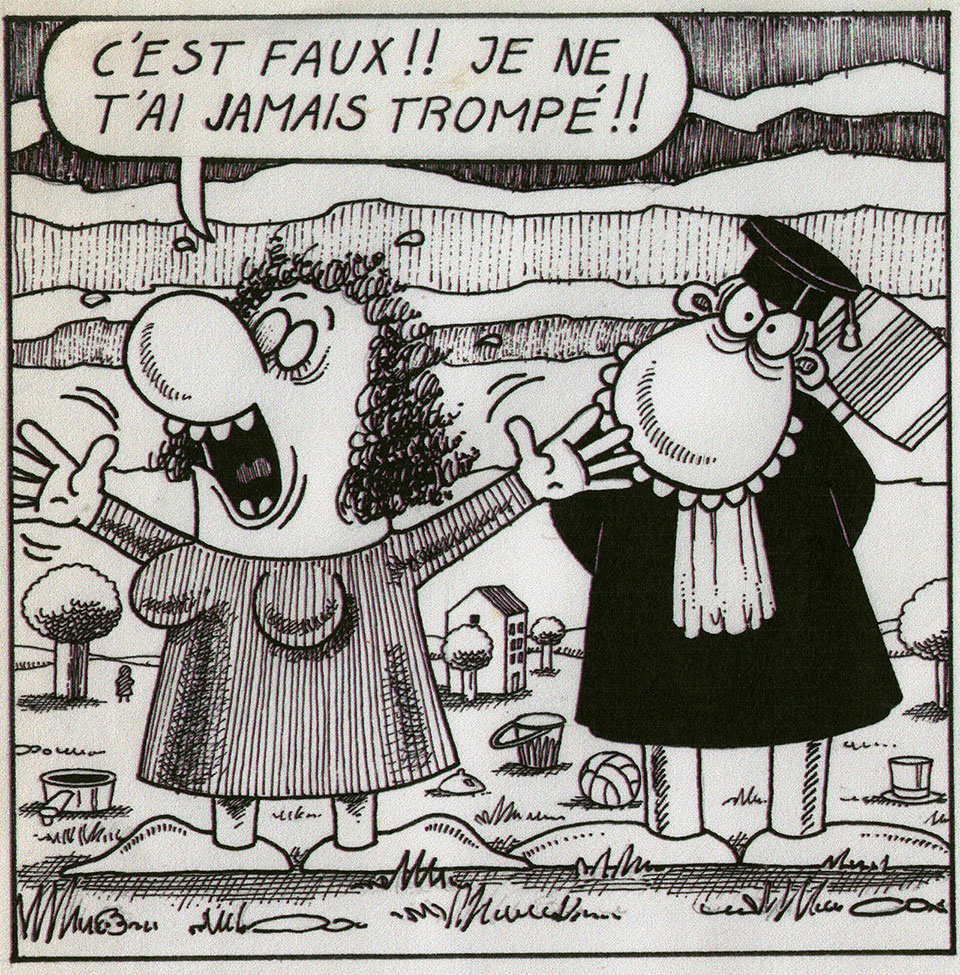
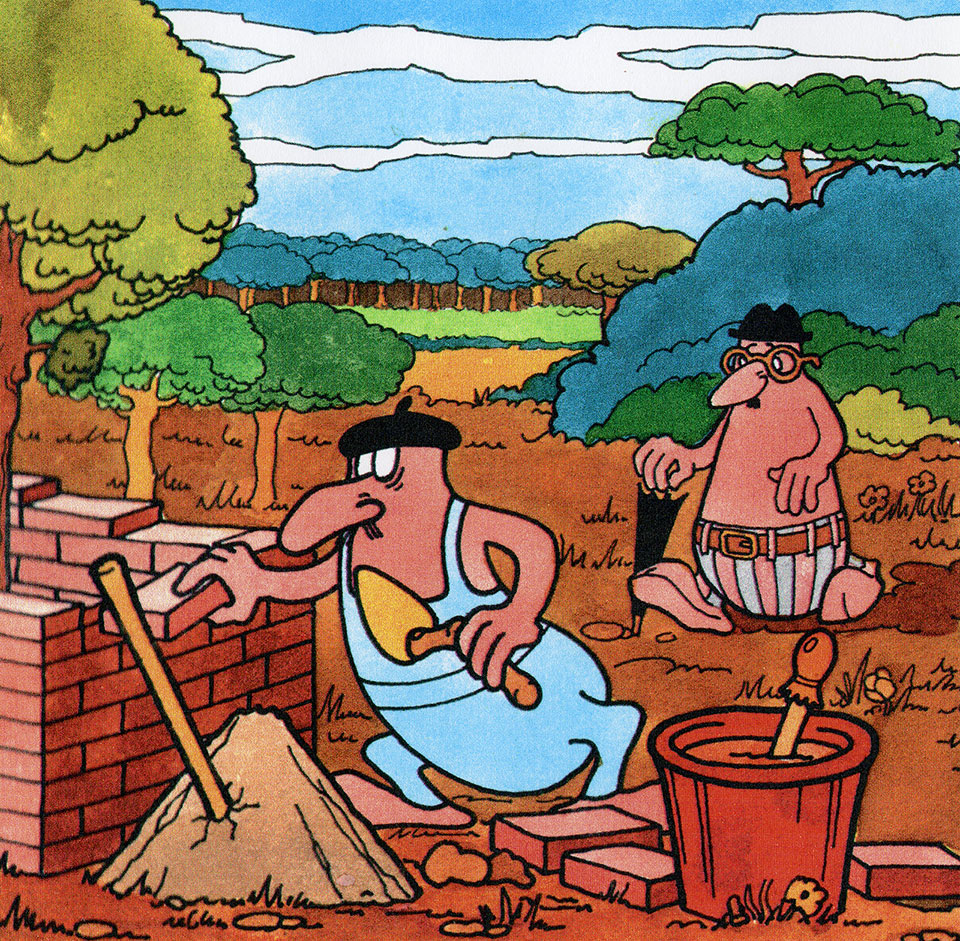
He graduated in painting at the Lisbon Faculty of Fine Arts. After graduating, he went into exile in France, between 1966 and 1975, where he took a master's degree in Art History and worked with various media, from advertising to comics. There he witnessed May 68 at close quarters and the paintings he developed throughout this period are teeming with contrasts and rhythms, impregnated with the pure colours of Pop Art, deeply musical, full of humour, which clash with the Portuguese reality of the time. A deep abyss separates these works from the portrait of his college friend Gina Azevedo - one of the women most tortured by the PIDE - painted in 1963, still in a sombre Portugal.
Returning to Leiria
On his return to Portugal in 1975 he saw a country in conflict with itself, both in the political field and with its own territory undergoing a rapid and chaotic process of urbanisation. It was in this context that Jorge Estrela, together with a group of friends, tried to awaken the people's consciences and create a critical sense through the exhibition O Saque da Cidade de Leiria, in 1977. Shortly after, he had a fundamental role in the defence of the Sant’Ana Market, an exemplary work of Ernesto Korrodi, whose demolition was even approved, so that a modern building could appear in its place. This would be like a second death of this place, after the demolition of the old convent, but this time times were different and more favourable to other battles, fought in the press, where he was a assiduous chronicler, with a careful writing and a refined sense of humour.
Explanation Withdrawal by Authors